CareFix Knowledge Hub — Orthopedic Implants & Clinical Insights
Clinical Knowledge Center

Orthopedic Surgical Insights & Clinical Knowledge

Stay updated with surgical technique guides, clinical case analyses, and orthopedic fixation advancements.
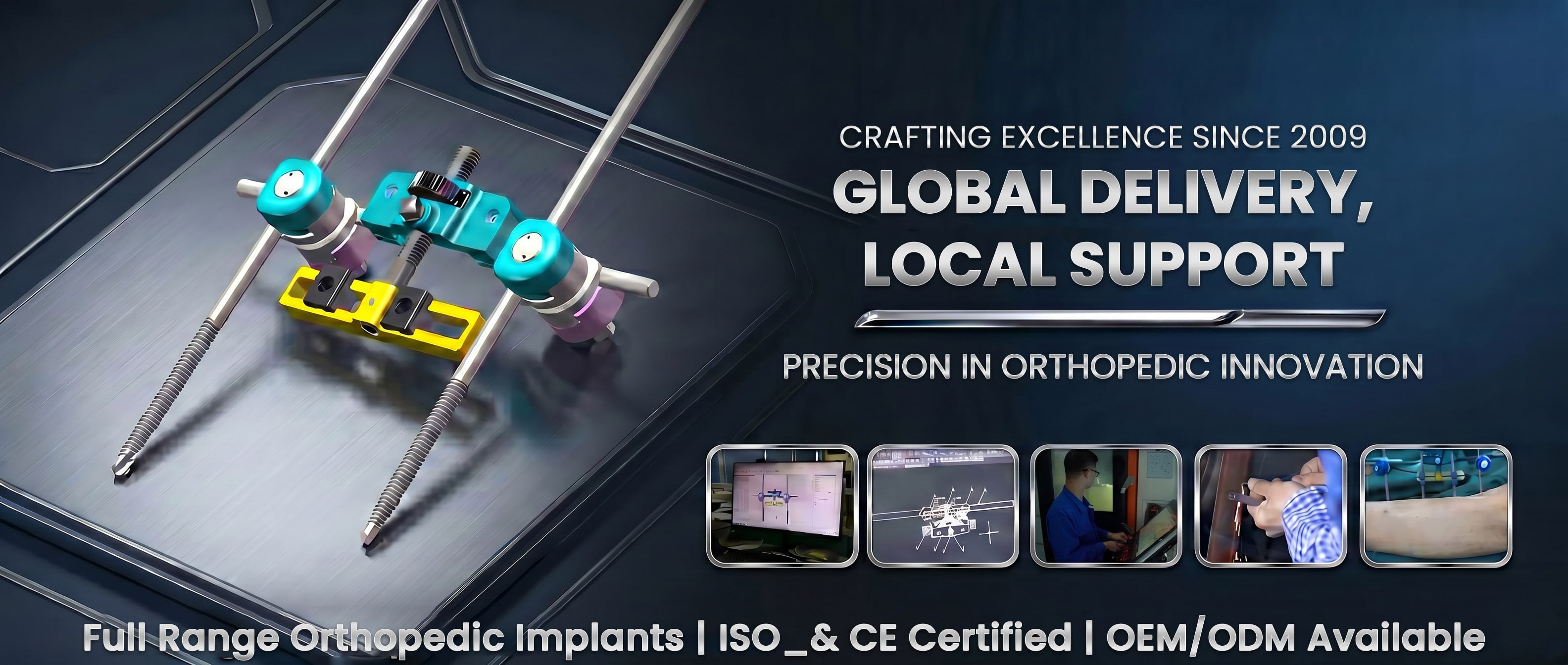
CareFix — 16 Years of Orthopedic Innovation
Surgical Excellence

Clinical Innovation & Technique Guides

Integrating clinical research and practical surgical strategies for trauma repair and bone reconstruction.
CareFix Orthopedic Product Portfolio
Global Healthcare Support

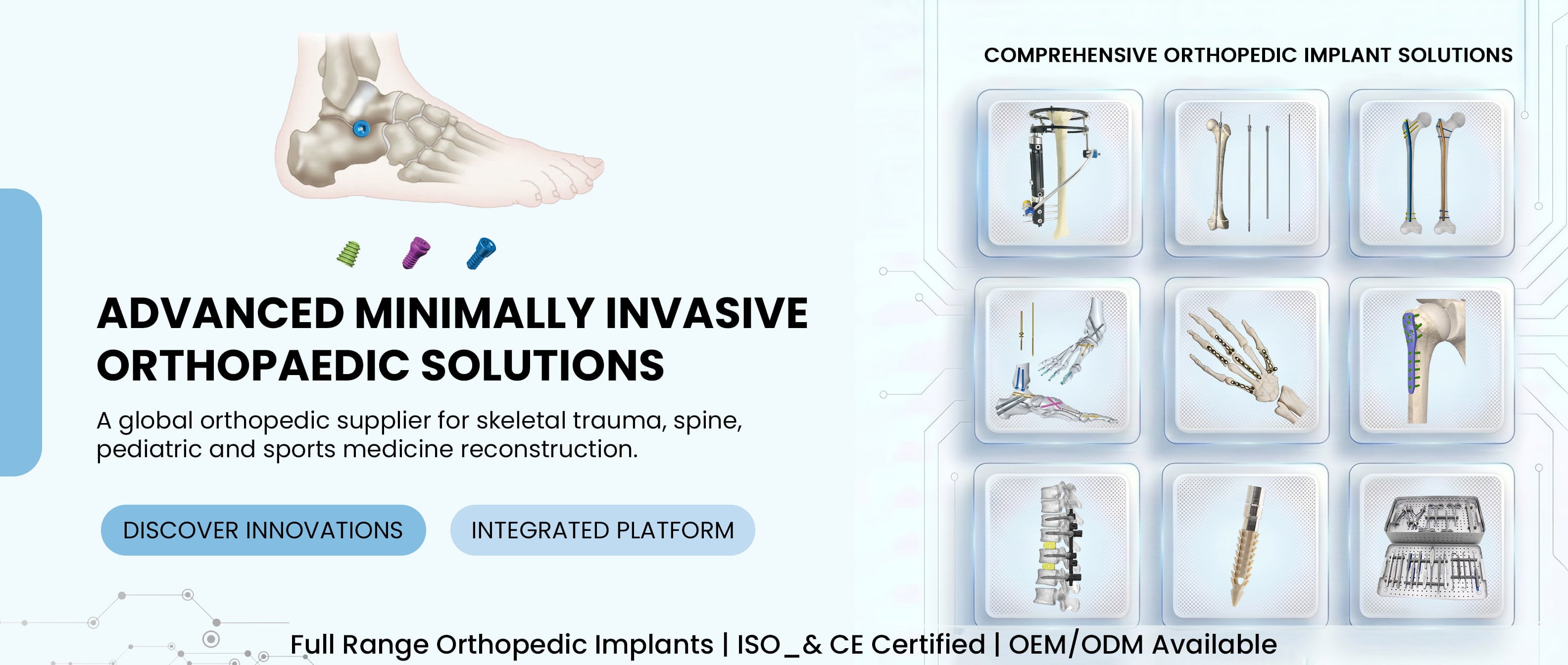
Comprehensive Orthopedic Solutions

From external fixators to spinal internal fixation systems — trusted by 365+ hospitals in 32+ countries.

Blog

How to Buy a Distal Tibia Interlocking Intramedullary Nail?

How to Buy a Distal Tibia Interlocking Intramedullary Nail?

Choosing a Distal Tibia Interlocking Intramedullary Nail is a clinical and procurement decision, not a price comparison alone. The device must suit the fracture pattern, the patient’s anatomy, and the treating team’s established technique. Small details matter. Nail diameter, length, curvature, distal locking options, and targeting instruments can affect compatibility and workflow. A catalog image may look convincing, yet it cannot confirm that the system fits a hospital’s existing equipment. Before requesting a quote, buyers should define the intended use and confirm technical requirements with orthopedic surgeons and procurement staff. Review product specifications, material information, sterilization status, packaging, and applicable regulatory documentation for the intended market. Ask whether the manufacturer provides clear instructions, instrument support, and reliable supply of compatible components. Compare total costs, including delivery, training, and any required accessories. Check the warranty and clarify how replacement parts are handled. These questions make comparisons more useful than a single unit-price figure. There is no universal best nail. A low-cost option may create extra work if its targeting system or locking configuration is unfamiliar. On the other hand, added features do not automatically justify a higher price. The checklist in this guide can help buyers ask better questions, but it cannot replace a careful review of the actual system. That limitation is worth remembering. Final selection should follow qualified clinical judgment and the organization’s purchasing and quality procedures.
Read more »
Sophia By:Sophia - November 20, 2026
Top 10 Pediatric Interlocking Intramedullary Nail Suppliers

Top 10 Pediatric Interlocking Intramedullary Nail Suppliers

Choosing a supplier for a Pediatric Interlocking Intramedullary Nail involves more than comparing product names. Pediatric bones vary in size and shape, and treatment decisions depend on the fracture, the child’s development, and the clinician’s assessment. Small details matter. Nail diameter, length options, locking features, and compatible instruments can all affect whether a system suits a particular case. This guide introduces ten suppliers associated with pediatric interlocking nail systems and offers a practical framework for comparing them. It considers product range, technical documentation, quality controls, regional availability, and support for clinicians. These factors are useful starting points, not proof that one supplier is best for every hospital or patient. Buyers should verify current specifications, regulatory status, and service terms directly with each manufacturer or authorized distributor. Clinical teams should also assess whether a device fits their established protocols and the needs of the child. A catalogue can look complete on screen, yet a missing size or delayed instrument set may matter in practice. No ranking can replace careful review. Supplier information changes, and public materials may not answer every question. That limitation deserves attention. The comparisons ahead are intended to help readers ask clearer questions, check claims against reliable documentation, and identify systems for further evaluation—not to provide medical advice or a universal purchasing recommendation.
Read more »
Jackson By:Jackson - November 16, 2026
How to Choose an Elastic Intramedullary Nail in 2026

How to Choose an Elastic Intramedullary Nail in 2026

Choosing an Elastic Intramedullary Nail in 2026 is not a matter of picking the most familiar implant. The patient’s age, weight, fracture location, and stability all matter. So does the surgeon’s experience with insertion and removal. A nail that looks suitable on a product sheet may behave differently in a short, oblique fracture. Small details count. The American Academy of Orthopaedic Surgeons’ 2020 guideline for pediatric diaphyseal femur fractures discusses flexible intramedullary nailing among treatment options for selected children. It does not make one implant right for every child. Pediatric orthopaedic surgeon John M. Flynn’s published guidance likewise emphasizes considering the child’s age, size, and fracture pattern when selecting treatment. This is a paraphrase, not a verbatim quotation. That distinction matters. The World Health Organization’s Global Status Report on Road Safety 2023 estimates that road crashes cause about 1.19 million deaths each year. That figure describes a broad injury burden, not demand for elastic nails; many fractures have different causes and treatments. Still, it underscores why sound trauma care matters. In this guide, we’ll compare nail diameter, material, flexibility, and construct stability, then consider fit, instrumentation, and follow-up. A close look helps. Yet the evidence has limits: outcomes depend on the fracture and patient, not the implant alone. The right choice is often a careful compromise, and clinicians should check current guidance and manufacturer instructions before use.
Read more »
Jackson By:Jackson - November 10, 2026
Top Telescopic Intramedullary Nail Manufacturers in 2026

Top Telescopic Intramedullary Nail Manufacturers in 2026

Choosing a Telescopic Intramedullary Nail is a clinical decision, not a contest in catalog design. These implants may support selected patients with growing bones and recurring fracture or deformity concerns. Their performance depends on anatomy, surgical technique, and follow-up—not the product name alone. Details matter. This 2026 guide compares manufacturers through practical criteria: implant design, available dimensions, locking options, surgical instruments, published clinical evidence, and regional availability. A surgeon may need to check how the nail telescopes, how it is inserted, and whether its components suit a child’s bone size. Small details can matter in the operating room. A clear instrument set and accessible technical support may also influence a team’s experience. Manufacturer claims deserve careful review. Product pages can explain features, but they cannot replace independent evidence or patient-specific judgment. Availability and approvals may differ by country, so current documentation should be verified with the manufacturer and relevant clinical team. That takes time. No single company will fit every case. This overview aims to help clinicians, procurement teams, and informed readers compare options using consistent questions. It also recognizes a limitation: public information is uneven, and strong marketing does not prove better outcomes. Readers should treat any shortlist as a starting point, then examine current evidence, device documentation, and local expertise before making decisions.
Read more »
Sophia By:Sophia - November 5, 2026
What Is a Subtalar Joint Stabilizer?

What Is a Subtalar Joint Stabilizer?

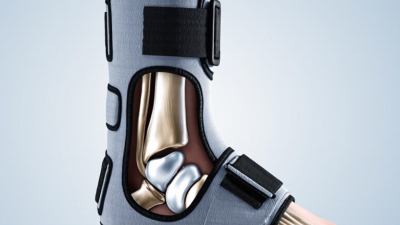
A Subtalar Joint Stabilizer is an external support intended to limit unwanted motion around the subtalar joint, where the talus meets the calcaneus. This joint helps the foot adapt to uneven ground and contributes to side-to-side control. When it feels unstable, ordinary movements can become less predictable. A curb, a quick turn, or a sloped trail may suddenly feel demanding. The term can describe different products, including braces and orthotic devices. Their designs and support levels vary, so the name alone does not show how well a device will work for a particular person. Evidence about ankle sprains offers useful context, but it should not be mistaken for proof about every subtalar stabilizer. The 2021 clinical practice guideline by Martin and colleagues in the Journal of Orthopaedic & Sports Physical Therapy addresses ankle sprain assessment, rehabilitation, and prevention. It supports a broader view: external support may be one part of care, alongside exercise and clinical evaluation. Small details matter. Fit matters, too. A brace that slips or causes pressure may be unsuitable, even if its label sounds convincing. This guide explains what a Subtalar Joint Stabilizer is, how it may provide support, and what to consider when choosing one. It also distinguishes product claims from established clinical guidance. The honest answer is not always tidy: symptoms can have several causes, and a stabilizer cannot diagnose them. Persistent pain, repeated giving-way, or difficulty bearing weight deserves assessment by a qualified healthcare professional.
Read more »
Sophia By:Sophia - October 31, 2026
Top 10 Cancellous Bone Screw Manufacturers Worldwide?

Top 10 Cancellous Bone Screw Manufacturers Worldwide?

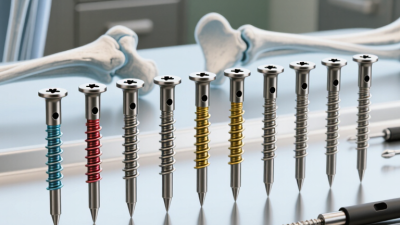
Choosing the top 10 Cancellous Bone Screw manufacturers worldwide requires more than comparing production volume. A reliable review must examine engineering quality, clinical experience, material control, and documented manufacturing systems. These screws are used in softer bone, where thread design, insertion torque, and purchase depth can influence fixation stability. Small details matter. A sharp thread can reduce insertion resistance. A suitable cannulated design may support accurate guidewire placement. Titanium alloys, stainless steel, surface finishing, and dimensional consistency also deserve close attention. Orthopedic trauma specialist Dr. Jesse B. Jupiter has emphasized, “Fracture treatment is a balance between biology and mechanics.” That principle remains highly relevant when evaluating every Cancellous Bone Screw supplier. Evidence should lead the ranking. This article compares ten global manufacturers through practical and professional criteria. It considers product portfolios, regulatory quality systems, surgeon feedback, distribution reach, and published technical information. Manufacturing scale matters, but it should not replace clinical credibility. A large factory cannot compensate for weak traceability or inconsistent inspection. No ranking is perfect. Public data can be incomplete, outdated, or shaped by regional availability. Some respected manufacturers may receive less attention because their clinical evidence is not widely published in English. That limitation deserves honest recognition. Readers should verify approvals, implant compatibility, sterilization status, and local procurement requirements before making decisions. The companies discussed here represent important market participants, not automatic recommendations for every fracture pattern or surgical setting.
Read more »
Ethan By:Ethan - October 26, 2026
How to Choose the Right Cortical Bone Screw?

How to Choose the Right Cortical Bone Screw?

Choosing the right Cortical Bone Screw is a clinical decision, not a simple catalogue search. The surgeon must match the screw with bone quality, fracture pattern, plate design, and the patient’s expected loading conditions. A small screw may suit a narrow fragment, yet it may fail when the bone is osteoporotic or repeatedly stressed. Details matter. Thread pitch, core diameter, length, head shape, and material can influence purchase and stability. Orthopedic trauma surgeon Dr. Joseph Schatzker is often associated with this practical teaching: “The implant must serve the biology of the fracture.” That idea remains useful when selecting a Cortical Bone Screw. Mechanical strength matters, but it should not replace careful reduction, soft-tissue respect, and sound surgical technique. A screw that looks strong on a product sheet may still be unsuitable for the available bone corridor. Sometimes, the wrong length causes more trouble than the wrong brand. This guide examines how experienced teams compare screw dimensions, thread engagement, insertion control, and compatibility with fixation systems. It also considers the less visible factors, including imaging quality, instrument fit, and the surgeon’s familiarity with the device. No selection rule works perfectly in every case. That is the uncomfortable part. Patient anatomy varies, evidence may be limited, and even a technically correct choice can perform poorly when planning is rushed. Reliable decisions require current clinical evidence, validated manufacturer information, and judgment from qualified orthopedic professionals.
Read more »
Ethan By:Ethan - October 21, 2026
How to Choose the Best Kirschner Wire Supplier in China?

How to Choose the Best Kirschner Wire Supplier in China?

Choosing the best Kirschner Wire supplier in China requires more than comparing quotations. These wires support orthopedic procedures, so consistency, cleanliness, and dimensional accuracy matter at every stage. A low price may look attractive, yet it can conceal weak traceability, unstable tolerances, or incomplete documentation. Experienced buyers examine the supplier’s manufacturing process, raw material certificates, inspection records, and packaging controls before placing a large order. Small details matter. A scratched wire, unclear size marking, or damaged sterile barrier can create serious concerns in clinical use. A dependable Chinese supplier should explain its stainless steel or titanium options, surface finish, diameter tolerance, tip design, and available lengths in precise language. Ask for samples matching the proposed production specification, not convenient samples from another line. Review quality systems, calibration practices, batch numbering, and corrective-action procedures. Certifications can support credibility, but certificates alone do not prove daily performance. An on-site audit, video assessment, or independent inspection may reveal more. This step is sometimes skipped when deadlines are tight. That shortcut deserves reconsideration. Communication also shapes supplier reliability. The right partner answers technical questions clearly, reports delays early, and protects confidential drawings and purchasing data. Confirm production capacity, lead times, minimum order quantities, export experience, and after-sales support in writing. Discuss applicable medical-device requirements and destination-market expectations with qualified professionals. No supplier is perfect. Even a strong factory may experience material delays or equipment maintenance. What matters is transparent risk management and measurable improvement. By balancing clinical needs, engineering evidence, ethical business practices, and long-term cooperation, buyers can make a safer, better-informed choice in China’s Kirschner Wire market.
Read more »
Jackson By:Jackson - October 16, 2026
2026 Best Cannulated Screw Types for Global Buyers

2026 Best Cannulated Screw Types for Global Buyers

Choosing the best Cannulated Screw is not a simple catalogue exercise. Global buyers face different fracture patterns, surgical techniques, supply conditions, and regulatory expectations. A screw that performs well in a dense cortical fragment may behave differently in softer cancellous bone. Thread design, core diameter, pitch, length, material, and guide-wire compatibility all deserve close review. Orthopaedic trauma specialist Dr. Michael J. Gardner offers a useful principle: “Choose the implant for the fracture, not the other way around.” This idea should guide every comparison in 2026. Partially threaded screws can support interfragmentary compression when the far cortex is engaged. Fully threaded models may provide position control with less compression. Headless designs can reduce prominence in selected areas. Titanium may offer imaging advantages, while stainless steel remains valued for strength and availability. Small details matter. A guide wire must remain stable. The cannulation should accept the intended wire without excessive play. The driver must fit securely, especially during insertion through a narrow incision. Buyers should also examine fatigue data, coating claims, sterilization status, packaging quality, traceability, and local approval requirements. Product availability matters too. No ranking is perfect. That is worth admitting. Clinical evidence may favor one design, while a hospital’s instruments, training, or budget favors another. This guide compares Cannulated Screw types through practical performance, documented specifications, surgeon experience, and purchasing reliability. It does not replace clinical judgment. Instead, it helps global buyers ask sharper questions before selecting a screw for a specific procedure.
Read more »
Jackson By:Jackson - October 11, 2026
Top Hand Foot and Ankle Locking Plate Manufacturers?

Top Hand Foot and Ankle Locking Plate Manufacturers?

Choosing the Top Hand Foot and Ankle Locking Plate Manufacturers requires more than comparing product catalogs. Surgeons need implants that match complex anatomy, fracture patterns, and real operating-room demands. A reliable manufacturer should demonstrate design expertise, consistent quality control, and documented clinical experience. Orthopedic trauma expert Dr. Michael J. Gardner offers a useful principle: “Implant selection must follow the fracture, not replace surgical judgment.” This observation matters when evaluating a Hand Foot and Ankle Locking Plate. A well-designed plate may provide stable fixation, but it cannot correct poor reduction or unsuitable placement. Small details count. Consider screw trajectories, plate contour, edge thickness, and instrument handling through a limited incision. Look closely. This guide will compare leading manufacturers through practical criteria. These include material selection, locking performance, anatomical coverage, sterilization systems, testing procedures, and surgeon feedback. It will also consider whether companies support education, responsive service, and traceable production records. Titanium may reduce weight and improve imaging, while stainless steel can offer different strength and cost advantages. Neither option is automatically superior. The assessment is not perfectly simple. Published evidence may vary, and marketing language can sound stronger than clinical data. Some manufacturers provide excellent engineering but limited long-term outcomes. Others offer broad portfolios with uneven regional support. That uncertainty deserves attention. Readers should treat this overview as a starting point, not a substitute for clinical judgment, regulatory review, or hospital procurement standards. The best Hand Foot and Ankle Locking Plate manufacturer is the one that consistently connects sound engineering with dependable patient care.
Read more »
Jackson By:Jackson - October 6, 2026
7 Best High Tibial Osteotomy Plates for Global Buyers

7 Best High Tibial Osteotomy Plates for Global Buyers

Choosing the right High Tibial Osteotomy Plate requires more than comparing prices or counting locking holes. Global buyers must consider correction accuracy, implant strength, soft-tissue profile, instrumentation, and documented clinical use. A plate that performs well in one hospital may not suit another. Surgeon preference matters. Peter Lobenhoffer, MD, a recognized specialist in corrective knee osteotomy, has stated: “The goal of osteotomy is to preserve the joint.” That principle remains practical in modern implant selection. The ideal plate should support stable fixation while helping surgeons restore the intended mechanical axis. It should also allow controlled correction, reliable screw placement, and predictable postoperative management. This guide reviews seven High Tibial Osteotomy Plate options for international buyers. Each product should be assessed through available clinical evidence, manufacturer quality systems, regulatory documentation, and local import requirements. Buyers should examine the plate’s material, opening-wedge compatibility, left- and right-side design, radiographic visibility, and instrument simplicity. Small details matter. A crowded tray can slow surgery. The comparison also considers practical issues, including surgeon training, distributor support, traceability, and replacement availability. These factors are often overlooked during procurement. They should not be. No universal winner exists. Patient anatomy, correction size, bone quality, and surgical technique can change the result. Some product information may vary by market or product revision, so buyers should verify current specifications directly with the manufacturer. This review offers a structured starting point, not a substitute for clinical judgment, regulatory review, or hospital approval.
Read more »
Ethan By:Ethan - October 1, 2026
China Top 10 Proximal Femoral Locking Plate Suppliers

China Top 10 Proximal Femoral Locking Plate Suppliers

Choosing a supplier for a Proximal Femoral Locking Plate is not just a price comparison. For surgeons and procurement teams, the details matter: plate contour, hole configuration, screw options, material traceability, and the clarity of technical documentation. A mismatch may complicate planning around a fracture pattern or a patient’s anatomy. Small details count. Orthopedic trauma surgeon Prof. Harald Tscherne is associated with the principle, “The soft tissues are the most important part of the fracture.” It is a useful reminder that a plate is one part of a broader treatment decision, not a substitute for clinical judgment. This guide examines ten China-based suppliers through practical, checkable factors, including product range, manufacturing information, quality-system documentation, and responsiveness to technical questions. Readers should verify current certificates, specifications, and availability directly with each company; supplier information can change. A directory is not a clinical endorsement. Nor does a polished catalogue prove consistent production. Buyers may want to request drawings, material details, and applicable inspection records before comparing offers. There is room for uncertainty here: public information alone cannot show how a supplier performs in every case. The aim is a clearer starting point for careful evaluation, not a shortcut to choosing an implant.
Read more »
Sophia By:Sophia - September 26, 2026