Stay updated with surgical technique guides, clinical case analyses, and orthopedic fixation advancements.
Integrating clinical research and practical surgical strategies for trauma repair and bone reconstruction.
From external fixators to spinal internal fixation systems — trusted by 365+ hospitals in 32+ countries.
Choosing the right High Tibial Osteotomy Plate requires more than comparing prices or counting locking holes. Global buyers must consider correction accuracy, implant strength, soft-tissue profile, instrumentation, and documented clinical use. A plate that performs well in one hospital may not suit another. Surgeon preference matters.
Peter Lobenhoffer, MD, a recognized specialist in corrective knee osteotomy, has stated: “The goal of osteotomy is to preserve the joint.” That principle remains practical in modern implant selection. The ideal plate should support stable fixation while helping surgeons restore the intended mechanical axis. It should also allow controlled correction, reliable screw placement, and predictable postoperative management.
This guide reviews seven High Tibial Osteotomy Plate options for international buyers. Each product should be assessed through available clinical evidence, manufacturer quality systems, regulatory documentation, and local import requirements. Buyers should examine the plate’s material, opening-wedge compatibility, left- and right-side design, radiographic visibility, and instrument simplicity. Small details matter. A crowded tray can slow surgery.
The comparison also considers practical issues, including surgeon training, distributor support, traceability, and replacement availability. These factors are often overlooked during procurement. They should not be.
No universal winner exists. Patient anatomy, correction size, bone quality, and surgical technique can change the result. Some product information may vary by market or product revision, so buyers should verify current specifications directly with the manufacturer. This review offers a structured starting point, not a substitute for clinical judgment, regulatory review, or hospital approval.
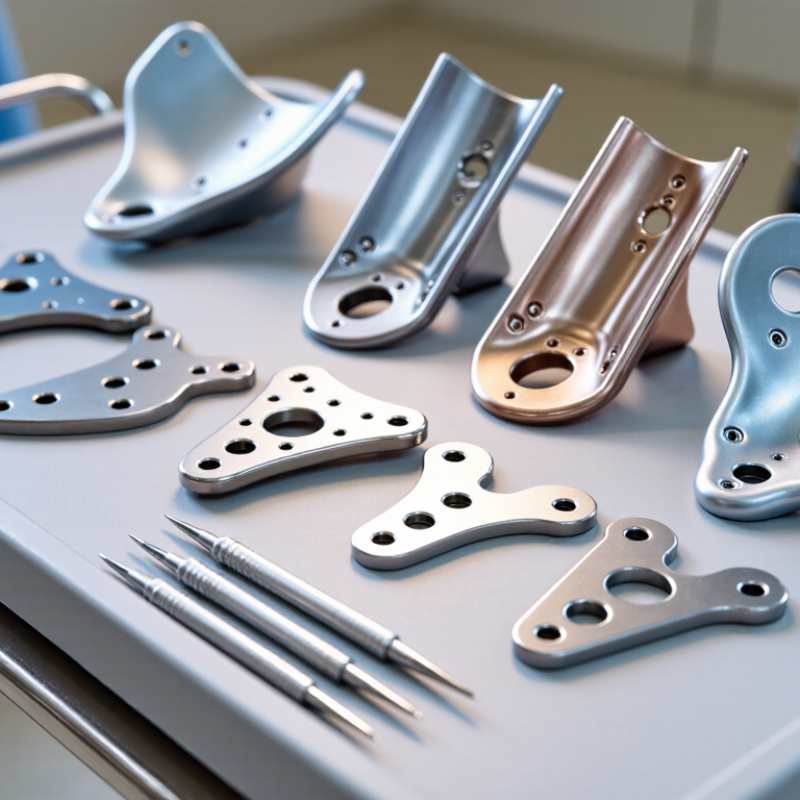
High tibial osteotomy plates are orthopedic fixation devices used after surgeons realign the upper tibia. The procedure shifts load away from a damaged knee compartment. A plate holds the corrected bone position while healing develops. Many designs support opening-wedge or closing-wedge osteotomies. Their shape, screw direction, and stiffness should match the surgical plan.
Surgeons commonly consider high tibial osteotomy for active patients with knee varus alignment and predominantly medial compartment wear. It may also help selected patients with ligament-related instability or uneven loading. Careful imaging is essential. Full-length standing radiographs show the mechanical axis, while computed tomography may clarify bone shape. Patient age alone should not decide treatment. Cartilage condition, joint stability, bone quality, activity goals, and healing capacity matter more. A plate can look suitable in a catalogue but fail to fit a particular tibia. That detail is easy to underestimate.
Tips: Global buyers should confirm the intended osteotomy type, plate material, screw compatibility, and sterilization status. Request mechanical testing, packaging details, traceability, and regulatory documents for the target market. Surgeons should check plate contour against the patient’s anatomy before final fixation. Keep soft-tissue coverage in mind. Excessive prominence can irritate the medial side. Also, stronger is not always better; overly rigid fixation may affect the desired healing environment. Product selection should follow qualified orthopedic advice, validated evidence, and local medical-device requirements. Be cautious with promotional claims. Some decisions remain case-specific.
7 Best High Tibial Osteotomy Plates for Global Buyers
Reliable high tibial osteotomy plates begin with controlled fixation, not simply thicker metal. A contoured medial plate should match the proximal tibia and reduce soft-tissue irritation. Locking screws maintain angular stability, especially in weak bone. Variable-angle holes can improve purchase around the osteotomy gap. Small details matter. Smooth edges and a low profile may support wound comfort during recovery.
A 2021 systematic review in Knee Surgery, Sports Traumatology, Arthroscopy reported that opening-wedge osteotomy generally achieved union rates above 95%, while nonunion remained an important risk. Plate stiffness, screw position, gap control, and hinge preservation all influence that result. Reliable systems should include clear radiographic markers and instruments for gradual correction. The 2023 AO Trauma guidance also emphasizes stable fixation and protection of the lateral cortical hinge. Excessive stiffness may not always be beneficial. It can concentrate stress near the osteotomy.
Global buyers should examine corrosion resistance, fatigue testing, sterilization compatibility, and documented material standards. Titanium alloys may reduce imaging artifacts, while stainless steel can offer strong mechanical performance. Neither choice is automatically superior. A 2022 review in Journal of Orthopaedic Surgery and Research noted that implant selection must reflect bone quality, correction size, and surgical technique. That point is easy to overlook. In practice, plates with intuitive guides, predictable screw locking, and accessible technical documentation often reduce avoidable errors. No plate is perfect, and long-term clinical evidence still deserves closer comparison across designs.
When evaluating high tibial osteotomy plates, strength should mean more than a large thickness. Review the material, locking mechanism, screw-hole design, and fatigue-test data. A reliable plate should maintain stability during controlled weight bearing without excessive stiffness. Ask for test methods, load limits, and supporting technical documents. Laboratory results do not fully predict every patient.
Fit begins with anatomy. Compare the plate with regional bone models, not only catalog photographs. Check left and right versions, contour, proximal coverage, and screw trajectories. During surgery, a trial plate should sit close to the medial tibia without pressing heavily against soft tissue. Fluoroscopy can reveal unwanted gaps or screw direction. Small details matter.
Surgical compatibility is equally practical. Confirm that the plate works with available drills, guides, screws, and instruments. Verify sterilization instructions, implant traceability, and local regulatory documentation before purchase. Training materials should explain opening correction, fixation sequence, and warning signs. In my experience, a plate that looks strong can still frustrate the team if its instruments feel awkward. No plate is perfect. Fit may vary between patients, and published evidence may be limited. Buyers should compare independent clinical data with the manufacturer’s testing, then discuss the choice with qualified orthopedic surgeons.
Seven leading high tibial osteotomy plate options serve different correction strategies and patient anatomies. The main choices include medial opening-wedge locking plates, low-profile medial plates, biplanar medial plates, lateral closing-wedge plates, hybrid locking plates, patient-specific plates, and revision-compatible plates. Medial opening-wedge designs suit gradual varus correction, while lateral closing-wedge plates remove bone and may offer faster structural stability. Biplanar systems can improve rotational control around the tibial tubercle.
Clinical evidence should guide procurement. EFORT Open Reviews reports that modern high tibial osteotomy techniques commonly achieve union rates above 90%, although delayed healing remains clinically relevant. A 2023 systematic review in Knee Surgery, Sports Traumatology, Arthroscopy also linked alignment accuracy with functional outcomes, but results varied across surgical methods. That variation matters. A plate that performs well in one hospital may be unsuitable where bone density testing, navigation, or follow-up imaging is limited.
Global buyers should compare locking-hole distribution, screw angulation, radiolucent gaps, material strength, and compatibility with standard instruments. The plate should fit a tibia without excessive prominence near the pes anserinus. It should also support controlled correction, not merely resist force. Surgeons may prefer a thicker construct for heavier patients, yet excessive stiffness can affect healing biology. This is easy to overlook. Packaging, sterilization instructions, traceability, and regional regulatory documentation deserve equal attention. No option is universally best; surgeon experience and patient-specific planning still influence the final selection.
Comparison of seven commonly used, non-brand-specific high tibial osteotomy plate configurations. The score counts core design features: locking fixation, proximal fragment support, medial cortical support, anterior-posterior coverage, and compatibility with opening- or closing-wedge procedures.
A higher feature score indicates broader fixation coverage and versatility, not superior clinical outcomes. Final plate selection should consider osteotomy type, bone quality, correction size, surgeon preference, and local regulatory requirements.
Comparing high tibial osteotomy plates requires more than checking price lists. Ask suppliers for material specifications, mechanical test data, and traceability records. Titanium alloy plates may reduce imaging interference, while stainless steel can offer different strength and cost profiles. The choice should match the surgical technique, bone quality, and local clinical practice. Request samples or demonstration instruments when possible. A plate that looks suitable may not fit the planned osteotomy angle.
Certification documents need careful review. Check whether the supplier maintains a recognized medical device quality system, such as ISO 13485. Confirm product registration requirements in the destination market. CE marking or other approvals may not replace local authorization. Verify the certificate scope, expiration date, and exact product model. Small document gaps can delay hospital procurement. This part is often underestimated.
Cost comparison should include screws, instruments, packaging, shipping, training, and replacement parts. Ask for a clear quotation with minimum order quantities and payment terms. After-sales support matters during surgery and follow-up care. Suppliers should provide surgical technique guides, complaint channels, response times, and product recall procedures. Test their communication before signing. Send technical questions and measure the reply. A fast answer is useful, but a precise answer matters more. Some buyers focus heavily on unit cost and later regret ignoring instrument availability. No supplier is perfect. Reassess performance through surgeon feedback, returned-product analysis, and periodic supplier audits.
Common options include medial opening-wedge, low-profile medial, biplanar medial, and lateral closing-wedge plates. Hybrid locking, patient-specific, and revision-compatible designs are also available. Each serves different anatomy and correction plans.
It supports gradual correction by opening the medial side of the tibia. The design may suit varus correction when bone quality and healing require careful control. Planning still matters.
It corrects alignment by removing a bone wedge from the lateral side. This approach may provide faster structural stability. It also changes the surgical plan.
A biplanar system can improve rotational control around the tibial tubercle. This may help maintain the intended correction during fixation. Results can vary.
Compare locking-hole distribution, screw angles, material strength, and radiolucent gaps. Check tibial fit near the pes anserinus. Excessive prominence may irritate nearby tissues.
Not necessarily. A thicker construct may help heavier patients or weaker bone. Excessive stiffness could affect healing biology. This point is easy to miss.
Request material specifications, mechanical test data, and traceability records. Check the quality-system certificate, product scope, expiration date, and exact model. Destination markets may require separate authorization. Documents can be incomplete.
Include plates, screws, instruments, packaging, shipping, training, and replacement parts. Request minimum quantities and payment terms in writing. A low unit price may hide unavailable instruments.
Ask for surgical guides, complaint channels, response times, and recall procedures. Send technical questions before signing. Measure accuracy, not only speed. Fast replies can still be vague.
No option is universally best. Bone density testing, navigation, imaging, and follow-up resources differ between hospitals. Surgeon experience and patient-specific planning remain important. A checklist may still miss clinical reality.
This guide explains what a High Tibial Osteotomy Plate is and when it may be used to support corrective knee surgery for selected alignment and load-distribution needs. It outlines the main design features of dependable plates, including anatomical contouring, secure fixation, appropriate hole configurations, material quality, and compatibility with surgical techniques. Readers will also learn how to assess plate strength, fit, imaging visibility, instrumentation, and overall surgical compatibility before making a purchasing decision.
The article presents seven types of High Tibial Osteotomy Plate options for global buyers, comparing their structural characteristics and practical applications without focusing on specific brands. It also provides a framework for evaluating suppliers through product documentation, quality certifications, manufacturing consistency, pricing transparency, delivery capability, technical communication, and after-sales support. Together, these points help hospitals, distributors, and procurement teams make informed, safety-conscious choices according to clinical requirements and applicable regulations.