Stay updated with surgical technique guides, clinical case analyses, and orthopedic fixation advancements.

Integrating clinical research and practical surgical strategies for trauma repair and bone reconstruction.

From external fixators to spinal internal fixation systems — trusted by 365+ hospitals in 32+ countries.
A Subtalar Joint Stabilizer is an external support intended to limit unwanted motion around the subtalar joint, where the talus meets the calcaneus. This joint helps the foot adapt to uneven ground and contributes to side-to-side control. When it feels unstable, ordinary movements can become less predictable. A curb, a quick turn, or a sloped trail may suddenly feel demanding.
The term can describe different products, including braces and orthotic devices. Their designs and support levels vary, so the name alone does not show how well a device will work for a particular person. Evidence about ankle sprains offers useful context, but it should not be mistaken for proof about every subtalar stabilizer. The 2021 clinical practice guideline by Martin and colleagues in the Journal of Orthopaedic & Sports Physical Therapy addresses ankle sprain assessment, rehabilitation, and prevention. It supports a broader view: external support may be one part of care, alongside exercise and clinical evaluation. Small details matter. Fit matters, too. A brace that slips or causes pressure may be unsuitable, even if its label sounds convincing.
This guide explains what a Subtalar Joint Stabilizer is, how it may provide support, and what to consider when choosing one. It also distinguishes product claims from established clinical guidance. The honest answer is not always tidy: symptoms can have several causes, and a stabilizer cannot diagnose them. Persistent pain, repeated giving-way, or difficulty bearing weight deserves assessment by a qualified healthcare professional.
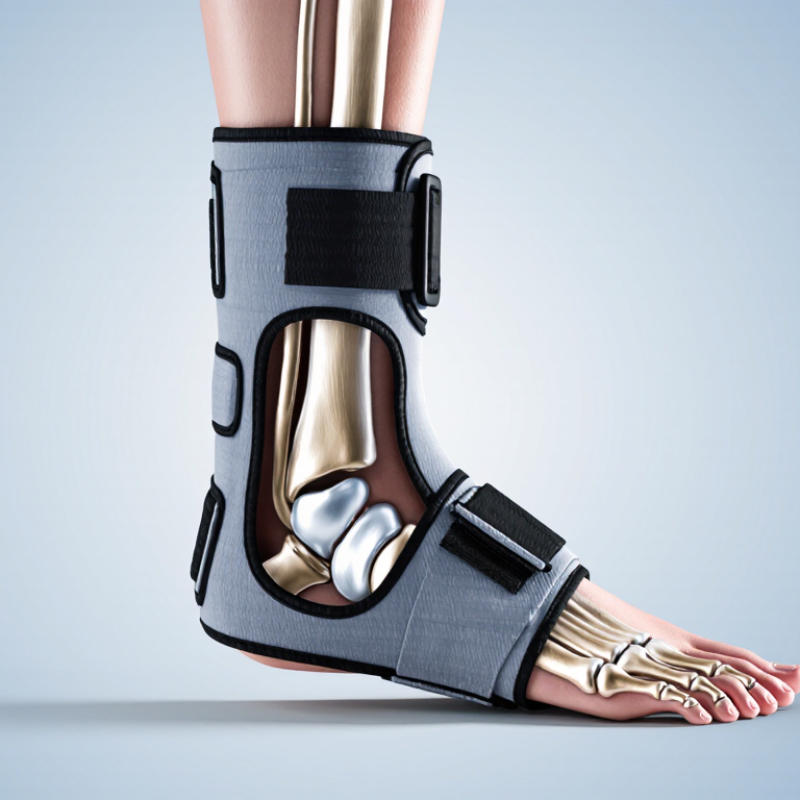
A subtalar joint stabilizer is an orthotic device or brace designed to support the joint beneath the ankle. This joint connects the talus and calcaneus, the two bones that help your foot adjust to uneven ground. It allows small movements, especially as the heel tilts inward or outward. A stabilizer may help guide heel alignment and limit excessive motion without trying to lock the foot completely. That distinction matters: normal movement helps with walking.
People may use one when ankle or hindfoot instability affects daily activities. For example, a person might feel the heel wobble while crossing a sloped driveway or walking on loose gravel. The right device depends on the cause of that instability, foot shape, footwear, and comfort. Fit matters. A brace that presses against the heel or changes the way shoes sit can create new problems. A clinician can assess movement and recommend an appropriate option. Not a cure. Pain, swelling, or repeated giving-way deserves assessment, since a stabilizer cannot identify or treat every underlying cause. Even a well-fitted device may need adjustment as symptoms or activity levels change.
| Topic | Description |
|---|---|
| Definition | A subtalar joint stabilizer is a broad term for an orthosis or brace intended to support foot alignment and help control excessive movement around the subtalar joint. It is not the name of one single, standardized device. |
| Where the joint is | The subtalar joint lies between the talus and calcaneus, the two bones that form much of the hindfoot. It contributes to foot movement that helps the foot adapt to uneven surfaces. |
| Common device forms | Support may come from a foot orthosis, a more controlling custom orthosis, or an ankle-foot orthosis. The appropriate design depends on the person’s symptoms, foot shape, mobility, and clinical findings. |
| How support may work | Depending on its design, an orthosis can support the foot’s arch and hindfoot, redistribute pressure, and limit some unwanted foot motion. It does not directly repair or permanently reposition the joint. |
| Why it may be considered | A clinician may consider external support for selected cases of painful or unstable foot mechanics, including some acquired flatfoot conditions. The choice should be based on an individual assessment rather than the condition name alone. |
| Assessment and fitting | Assessment may include the person’s symptoms, walking pattern, foot flexibility, skin condition, and footwear. A qualified healthcare professional can help determine whether an over-the-counter or custom device is suitable. |
| What to expect | Support may improve comfort or help manage movement for some people, but results vary. A stabilizer does not guarantee pain relief, restore joint structure, or replace treatment of an underlying cause. |
| Possible problems | A poorly fitting or overly restrictive device can cause pressure, rubbing, blisters, or discomfort. Stop using it and seek advice if it causes persistent pain, skin damage, numbness, or worsening symptoms. |
| Care and follow-up | Follow the clinician’s instructions for wear time and adjustment. Check the skin regularly, especially when first using the device, and arrange follow-up if the fit changes or symptoms do not improve. |
| Important note | This information is general and does not provide a diagnosis or personal treatment plan. A healthcare professional should assess persistent foot pain, swelling, injury, or difficulty walking. |
It is a brace or support for the joint beneath the ankle. It may guide heel alignment while allowing natural movement.
It connects the talus and heel bone. Small movements help your foot adjust to uneven ground.
It may be considered when the heel feels unstable during daily activities. For example, loose gravel can make the foot feel wobbly.
Soft lace-up braces offer mild support. Semirigid braces use side shells, while hinged supports may provide more controlled movement.
It should feel secure, not sharply tight or numb. Fit matters.
Some braces fit inside roomy athletic shoes. Try the support with your usual footwear and check for heel pressure.
Look for rubbing, redness, or pressure marks after a short walk. A snug brace can still rub.
No. It cannot identify every cause of pain or repeated giving-way, and it may need adjustment as symptoms change.
A Subtalar Joint Stabilizer is a supportive device designed to help manage movement around the subtalar joint, which sits beneath the ankle joint and connects the talus to the heel bone. This joint allows the foot to adapt to uneven surfaces by moving inward and outward. A stabilizer may support the surrounding area and help limit excessive motion while still allowing some flexibility for walking and everyday activities.
Stabilizers come in different forms, including braces, sleeves, and supportive inserts, with features such as adjustable straps, firm panels, or cushioned materials. Depending on the design, they may help improve a sense of stability, comfort, and confidence for people dealing with foot discomfort or instability. However, support varies between devices, and a stabilizer does not correct every underlying problem or replace professional assessment. The right option depends on a person’s needs, activity level, and comfort.

.png)