Stay updated with surgical technique guides, clinical case analyses, and orthopedic fixation advancements.
Integrating clinical research and practical surgical strategies for trauma repair and bone reconstruction.
From external fixators to spinal internal fixation systems — trusted by 365+ hospitals in 32+ countries.
Choosing a Telescopic Intramedullary Nail is a clinical decision, not a contest in catalog design. These implants may support selected patients with growing bones and recurring fracture or deformity concerns. Their performance depends on anatomy, surgical technique, and follow-up—not the product name alone. Details matter.
This 2026 guide compares manufacturers through practical criteria: implant design, available dimensions, locking options, surgical instruments, published clinical evidence, and regional availability. A surgeon may need to check how the nail telescopes, how it is inserted, and whether its components suit a child’s bone size. Small details can matter in the operating room. A clear instrument set and accessible technical support may also influence a team’s experience.
Manufacturer claims deserve careful review. Product pages can explain features, but they cannot replace independent evidence or patient-specific judgment. Availability and approvals may differ by country, so current documentation should be verified with the manufacturer and relevant clinical team. That takes time.
No single company will fit every case. This overview aims to help clinicians, procurement teams, and informed readers compare options using consistent questions. It also recognizes a limitation: public information is uneven, and strong marketing does not prove better outcomes. Readers should treat any shortlist as a starting point, then examine current evidence, device documentation, and local expertise before making decisions.
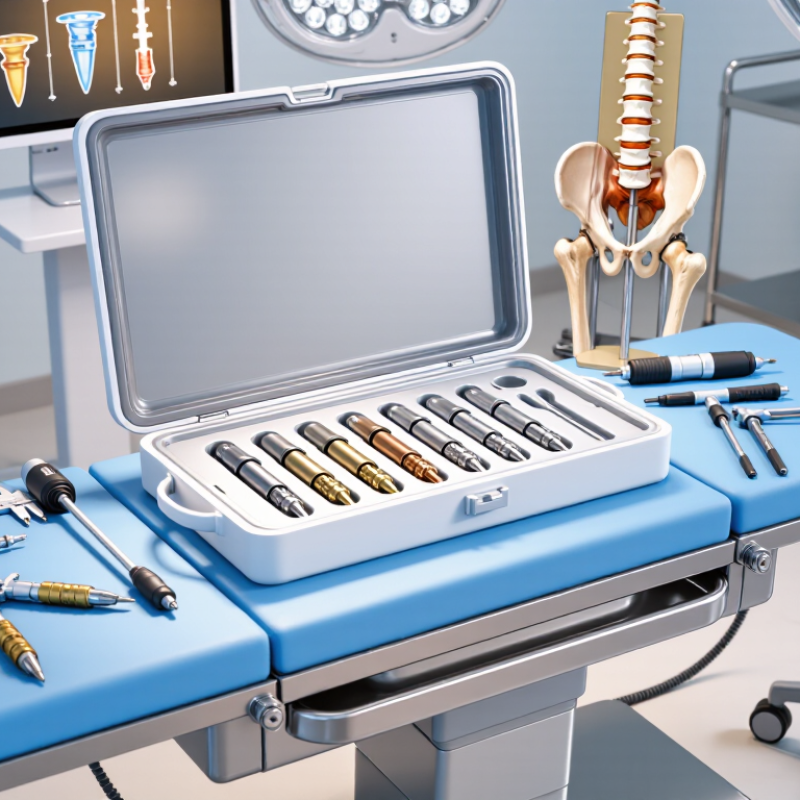
A telescopic intramedullary nail is a metal rod placed inside the hollow center of a long bone. It is designed mainly for children whose bones are still growing and may be weakened by conditions such as osteogenesis imperfecta. The nail supports the bone from within, helping it resist bending and some fractures. It is not an external brace. It sits beneath the skin.
How does it grow? The device usually has two interlocking parts. As a child’s bone lengthens, one part can slide within the other, allowing the implant to extend while continuing to support the bone. A surgeon positions the nail through an operation and checks placement with imaging. In some designs, the ends anchor near the bone’s upper and lower regions. Details depend on the child’s anatomy and the specific implant.
Growth is not perfectly predictable. The nail may not lengthen as expected, and it can bend, loosen, or need revision. Follow-up visits and X-rays help clinicians assess bone alignment, implant position, and growth. Families may notice a small scar and temporary soreness after surgery. Recovery varies. A telescopic nail can reduce repeated fractures for some patients, but it does not make bone fragile no more; care plans still require individual assessment by an orthopedic specialist.
Telescopic intramedullary nails are designed mainly for growing children with fragile or repeatedly fractured long bones. They are often considered in conditions such as osteogenesis imperfecta, where repeated fractures and deformity can limit mobility. A nail placed within the bone supports alignment while allowing the device to lengthen as the child grows. The exact indication depends on the child’s anatomy, bone quality, and treatment history.
The central design feature is a sliding, two-part structure. As the bone grows, one section extends over the other, helping maintain internal support without repeated full-length replacement. Nail diameter, available lengths, and the shape of the bone all matter. Surgeons also plan carefully around growth plates. Small differences in placement can affect how well the device tracks.
It is not a perfect trade-off. Some systems may migrate, bend, break, or stop telescoping, and growing bones can change alignment over time. Follow-up imaging helps clinicians check nail position, bone healing, and limb growth. Families should understand that additional procedures may still be needed. A device that works well for one child may not suit another. Choosing a system requires specialist assessment, clear discussion of risks, and realistic expectations about growth and activity.
Evaluating a telescopic intramedullary nail manufacturer takes more than comparing product catalogs. Ask how the nail’s telescoping mechanism performs under repeated loading, and request test methods and results. Ask for the data. Look for clear information on materials, dimensions, locking features, and compatibility with the intended patient group. A sample drawing should show how components fit together, not just how they look from the outside.
Review the manufacturer’s quality controls, lot traceability, and evidence supporting product performance. Confirm that documentation applies to the exact model under consideration; similar names or sizes do not guarantee identical specifications. Details matter. Ask how design changes are communicated and what technical support is available for surgical teams. A polished brochure is not proof, and a long evidence list can still leave practical questions unanswered. That is worth admitting. Discuss clinical suitability with qualified specialists, and check applicable device requirements in the intended market. Evaluate response times, training materials, and how clearly the manufacturer handles reported problems. A dependable partner should answer specific questions without overstating what its data can show.
In 2026, comparing telescopic intramedullary nail manufacturers means looking beyond a product headline. A useful portfolio should show available nail diameters and lengths, compatible components, and the instruments needed for insertion and removal. Clear sizing information matters. A few millimeters can affect fit in a small bone. Manufacturers may offer systems for growing children and patients with specific long-bone conditions, but indications differ by device. Check the current instructions for use.
Portfolio details also reveal how practical a system may be. Look for transparent material specifications, imaging guidance, and documented compatibility between parts. Ask whether the manufacturer provides training and technical support for the surgical team. Catalogs can be hard to compare; some list dimensions clearly, while others leave gaps. That is worth questioning, not guessing.
Tips: Match the device to the patient’s anatomy and treatment plan with a qualified orthopedic specialist. Confirm sizing, compatibility, and follow-up requirements before selection. Do not rely on a product photograph alone. Small details matter.
Telescopic nail quality is not captured by a polished brochure. Review material specifications, dimensional tolerances, and documented mechanical testing, including fatigue performance where applicable. Ask how the manufacturer controls lot-to-lot consistency and records component traceability. Small details matter. A smooth sliding mechanism, clear size markings, and intact sterile packaging can affect operating-room workflow. Yet no single test proves suitability for every patient or technique. Compare the evidence with the device’s intended use and seek qualified clinical input.
Regulatory status needs equally careful checking. Confirm current clearances or registrations for the exact model and destination market, rather than relying on a general company certificate. Verify that labeling, instructions, and post-market reporting arrangements match local requirements. Requirements vary. Global support is more than a sales office: assess response times, language coverage, instrument availability, complaint handling, and access to current technical documents. Ask whether support remains available after launch, especially where shipments or instrument repairs take longer. One awkward point deserves attention: supplier questionnaires can look complete while leaving practical gaps. Request evidence, record unanswered questions, and compare manufacturers using the same criteria. This makes differences in quality systems, regulatory readiness, and service capacity easier to judge.
Regulatory pathways by market
Each bar indicates that the market has a formal medical-device regulatory pathway: FDA routes in the United States, CE marking under the EU Medical Device Regulation, medical device licensing in Canada, and ARTG inclusion in Australia. These are market-level pathways, not evidence that a particular telescopic nail or manufacturer is approved. Comparable public data for manufacturer-level quality and global support are not shown.
It is a metal rod placed inside a long bone. It supports the bone beneath the skin.
It is mainly designed for growing children with fragile or repeatedly fractured bones. Suitability depends on the child’s bone shape, quality, and treatment history.
Most designs have two parts that slide against each other. The nail can extend as the bone grows, while continuing to provide internal support.
No. It may reduce repeated fractures for some children, but it cannot remove the underlying bone fragility.
Clinicians use visits and X-rays to check alignment, healing, nail position, and growth. That part can feel repetitive, but it matters.
It may bend, loosen, migrate, break, or stop extending as expected. Further procedures may be needed.
A child may have temporary soreness and a small scar. Recovery varies, so a precise timeline is difficult to promise.
Ask about dimensions, materials, testing methods, and evidence for the exact model. A polished brochure alone tells you very little.
No. Bone shape and growth plates affect planning. A device that works for one child may not fit another; that is easy to underestimate.
A Telescopic Intramedullary Nail is an expandable implant designed to support long bones as they grow, helping maintain alignment and stability over time. This article explains how telescopic nail systems work, outlines their key design features, and reviews clinical considerations that may influence their use. It also describes the importance of matching implant characteristics to patient needs and treatment goals.
The guide presents a practical framework for evaluating manufacturers in 2026, including product range, material and manufacturing quality, regulatory approvals, clinical evidence, and availability of training and after-sales support. Rather than focusing on brand names, it compares the factors healthcare teams may consider when assessing product portfolios and global service capabilities. The aim is to help readers understand how to make informed, evidence-based comparisons while recognizing that implant selection should be guided by qualified medical professionals.