An exhaustive evaluation of anatomical locking compression plates for intertrochanteric, trochanteric, and subtrochanteric fracture fixation. Designed for orthopedic surgeons, biomedical engineers, and global medical device procurement directors seeking clinical efficacy, biomechanical stability, and ISO 13485 manufacturing excellence.
ISO 13485 Quality Standard
Exported to 32+ Countries
Ti-6Al-4V ELI & 316L Stainless Steel
Trusted by 365+ Global Hospitals
1. Clinical Biomechanics & Structural Innovations in Proximal Femoral Fixation
The proximal region of the femur represents one of the most complex mechanical environments in human biomechanics. Subjected to repetitive high-magnitude bending moments, torsional forces, and axial shear loads up to three to five times body weight during normal physiological gait, fractures in this segment—specifically AO/OTA 31-A intertrochanteric fractures, 31-B neck fractures, and 32-A/B subtrochanteric disruptions—pose severe surgical challenges. Traditional dynamic hip screw (DHS) devices and conventional non-locking plates frequently suffer from lag screw cut-out, uncontrolled collapse, loss of reduction into varus, and prominent hardware irritation, particularly when dealing with comminuted posteromedial wall defects or severe osteopenic bone density.
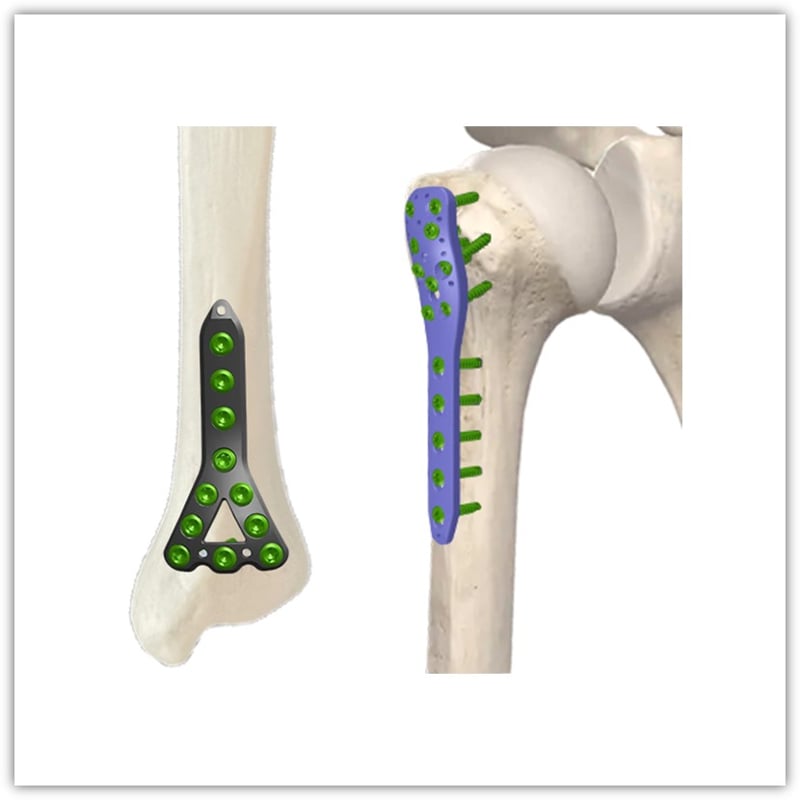
The emergence of the Proximal Femoral Locking Plate (PFLCP) has fundamentally transformed reconstructive orthopedics. By integrating anatomical pre-contouring with threaded fixed-angle locking screw technology, the PFLCP acts as an internal extramedullary bridge construct. Unlike friction-dependent non-locking plates that rely on press-fit compression against the periosteum (often compromising local vascular microcirculation), a proximal femoral locking plate creates a rigid, unified mechanical frame. Threaded screw heads lock directly into the internal threads of the plate holes, converting shear stresses at the bone-screw interface into axial strain distributed along the entire length of the titanium or stainless steel construct.
Key Mechanical Pillars of CareFix® PFLCP Design:
Divergent & Convergent Screw Geometry: The proximal cluster features multi-planar locking holes oriented specifically into the femoral neck and head, maximizing thread purchase across dense subchondral trabecular bone while preventing rotation.
Preservation of Periosteal Blood Supply: The scalloped undersurface design minimizes cortical contact, protecting the periosteal vasculature and promoting rapid callus formation.
Extended Lateral Trochanteric Coverage: The superior plate extension provides an anatomical kickstand, resisting lateral wall blowout and preventing varus displacement of the proximal segment.
Optimum Modulus Matching: Crafted from high-strength Ti-6Al-4V ELI alloy, offering an elastic modulus significantly closer to native cortical bone than traditional alloys, mitigating stress shielding risks.
In unstable intertrochanteric fractures with loss of the posteromedial buttress (AO 31-A2.2 to A3.3), intramedullary nailing can sometimes result in lateral trochanteric fracture propagation or distal tip impalement. The anatomically shaped Proximal Femoral Locking Compression Plate acts as a rigid tension band across the lateral cortex, providing superior resistance to bending forces and preventing uncontrolled telescope-like collapse of the femoral shaft into varus.
CareFix® manufactures a comprehensive suite of Proximal Femoral Locking Plates tailored to diverse anatomical demands, ranging from high-energy pediatric trauma and adolescent developmental osteotomies to complex adult revision arthroplasty and periprosthetic fracture fixation. Every plate is engineered using 5-axis high-precision CNC machining to ensure consistent dimensional tolerances, burr-free chamfered edges, and smooth, atraumatic contours.
Technical Specification Matrix: CareFix® Adult & Pediatric PFLCP Systems
Intertrochanteric & Subtrochanteric Fractures, Malunions, Non-unions in adults.
Pediatric Proximal Femoral Plate (3.5/5.0mm)
Ti-6Al-4V ELI (ASTM F136)
3 to 8 Holes (Anatomical Left/Right)
Specialized 3.5mm / 5.0mm neck locking screws designed for delicate pediatric epiphysis
3.5mm / 5.0mm Screws
Pediatric DDH osteotomy, Slipped Capital Femoral Epiphysis (SCFE), pediatric trauma.
Trochanteric Stabilizing Locking Plate
Titanium Alloy (Ti-6Al-4V)
4 to 12 Holes
Multi-axial trochanteric hook feature + 4.5mm/6.5mm convergent head screws
5.0mm Locking Screws
Greater trochanteric comminution, lateral wall augmentation in complex hip trauma.
Periprosthetic Proximal Femoral LCP
Ti-6Al-4V ELI
8 to 20 Holes (Extended)
Offset cable-button holes combined with polyaxial 5.0mm locking holes
5.0mm Polyaxial Screws / Cerclage Cables
Fractures around total hip replacement stems (Vancouver Type B1 & C).
Anatomical Pre-Contouring
Scanned from vast global anthropometric CT databases, our plates fit the average lateral proximal femoral flare perfectly, drastically reducing the need for intraoperative manual bending and minimizing notch-induced stress risers.
Combi-Hole Technology
Incorporates standardized dynamic compression unit (DCU) slots combined with threaded locking holes. Allows the surgeon to execute conventional axial friction compression, locked rigid bridging, or a hybrid technique within a single plate.
Advanced Surface Engineering
Type II Anodization (TI-ACE) for titanium implants creates a hardened oxide layer that significantly increases fatigue resistance, eliminates micro-fretting debris, and minimizes soft tissue adhesion during long-term implantation.
Request Technical Data Sheets & Global OEM/Distributor Pricing
Connect directly with CareFix's biomedical engineering and export compliance team for complete CAD specs, trial samples, and volume discounts.
3. Future Global Procurement Trends & Technological Trajectories (2026–2030)
As healthcare systems worldwide adapt to aging populations and rising incidences of osteoporotic fragility fractures, global procurement departments within hospital networks, national health ministries, and OEM distributors are re-evaluating their orthopedic supply chains. Simple cost-per-unit purchasing models are giving way to value-based healthcare metrics focused on total episode-of-care costs, surgical efficiency, reduction in revision rates, and seamless inventory management.
Emerging Industry Developments Shaping Proximal Femoral Implants:
1. AI-Driven Patient-Matched Pre-Contouring & 3D Modeling
While standardized off-the-shelf anatomical plates fit approximately 90–95% of normal adult populations, complex congenital deformities, post-traumatic malunions, and extreme ethnic bone variation demand higher spatial precision. Modern manufacturers are integrating AI-based CT analysis into production algorithms to refine standard plate curvatures and offer semi-customized batch manufacturing for specialized regional markets.
Operating room time and soft tissue trauma are critical variables in patient recovery. Future procurement tenders heavily favor locking plate systems equipped with radio-lucent carbon fiber targeters and specialized percutaneous insertion guides. CareFix's ongoing R&D emphasizes refined instrumentation that allows surgeons to slide long proximal femoral plates submuscularly through small 3–4 cm incisions, reducing blood loss and hospital stays.
3. Carbon-Fiber PEEK and Smart Sensor Implants
Looking beyond metallic alloys, Polyetheretherketone (PEEK) reinforced with continuous carbon fibers is emerging as a niche alternative for oncology-related proximal femoral reconstructions due to its complete radio-lucency and absence of artifact interference on post-operative MRI/CT scans. Additionally, early-stage research into embedded micro-strain sensors inside locking plates aims to give clinicians real-time telemetry on bone healing and load sharing.
Geopolitical shifts and regulatory tightening (such as EU MDR compliance and stringent FDA 510(k) auditing) are causing distributors to trim fragmented supplier lists. Importers are partnering directly with integrated, vertically responsible manufacturers like CareFix who manage raw material sourcing, 5-axis machining, surface passivation, cleanroom washing, and sterile blister packaging under one roof.
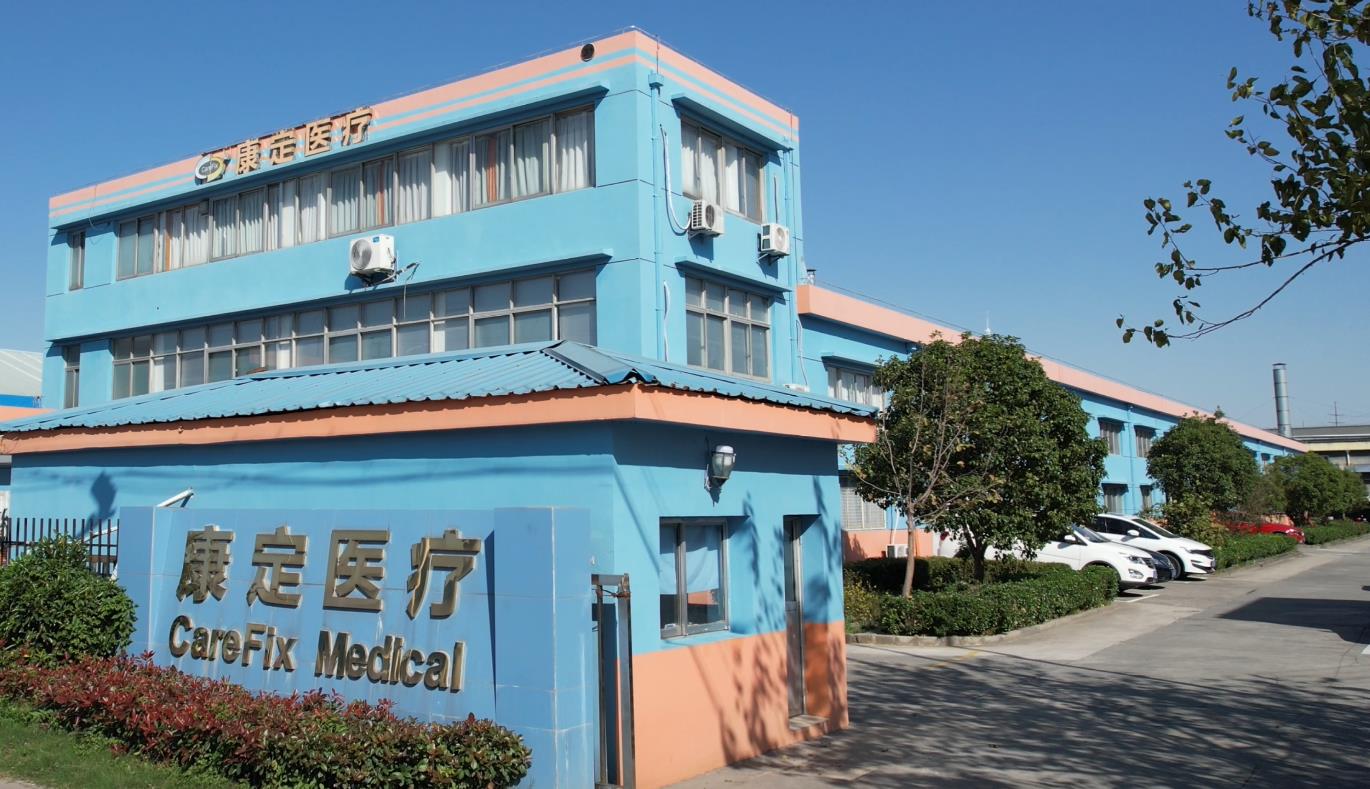
Founded on June 24, 2009, Shanghai CareFix Medical Instrument Co., Ltd. (CareFix®) has established itself as an authoritative global force in orthopedic trauma, spinal fixation, and complex bone reconstruction devices. Situated in the national-level Shanghai Songjiang Economic and Technological Development Zone, CareFix operates from a modern, self-owned manufacturing facility spanning thousands of square meters, backed by a registered capital of ¥15 million and a cumulative infrastructure investment exceeding ¥70 million.
CareFix® State-of-the-Art Production Center in Shanghai, China
Why 365+ Global Hospitals & 300+ Authorized Agents Rely on CareFix:
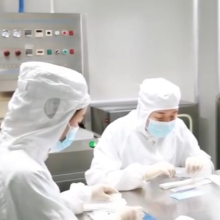
ISO 13485 & GMP Quality Certification: Our entire cleanroom environment and production lines operate under strict ISO 13485 medical quality control standards, ensuring absolute batch-to-batch homogeneity.
30+ Intellectual Property Patents: Driven by high-level R&D collaboration between clinical orthopedic centers, academic institutes, and our internal mechanical engineering team.
End-to-End Traceability & Laser Marking: Every individual Proximal Femoral Locking Plate is marked with a unique UDI laser code for complete material, lot, and machine operator tracking.
Global Reach Across 32+ Nations: Serving top-tier teaching hospitals and regional healthcare leaders throughout Europe, South America, Southeast Asia, the Middle East, and Africa.
The CareFix® Proximal Femoral Locking Compression Plate System is indicated for a versatile array of complex orthopedic conditions. Clinical feedback from over 16 years of surgical application demonstrates exceptional construct stability and rapid bone healing across the following primary procedure types:
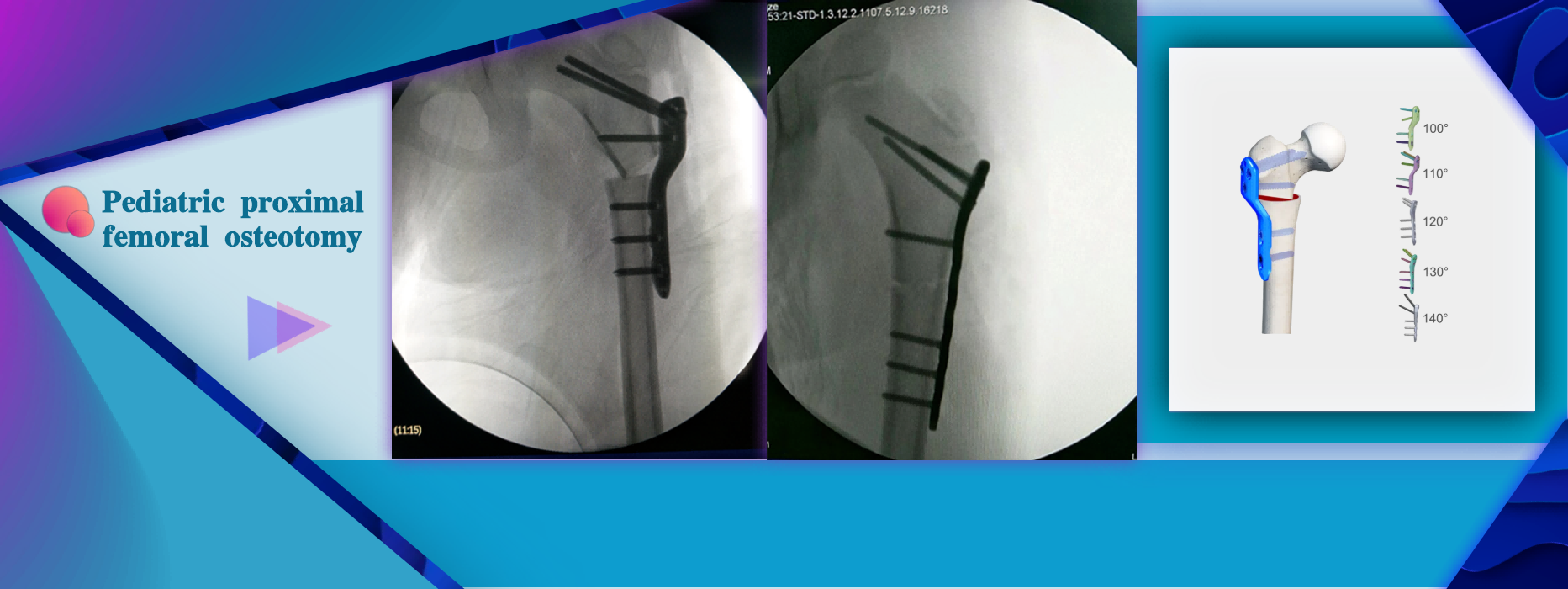
Pediatric Proximal Femoral Osteotomy
Utilized in developmental dysplasia of the hip (DDH), varus/valgus corrective osteotomies, and pediatric trochanteric fracture fixations using our specialized 3.5mm/5.0mm pediatric locking plates.
High-Energy Subtrochanteric Fractures
For AO 32-A/B subtrochanteric comminution, long-shaft CareFix PFLCPs provide rigid bridging across the zone of fracture, preventing torsional twisting and sagital plane angular collapse.
Non-Union & Periprosthetic Revision
Used to fix failed dynamic hip screws, non-unions with severe bone loss, or periprosthetic fractures around total hip arthroplasty stems where intramedullary nailing is contraindicated.
Technical & Procurement FAQ
Frequently Asked Questions on Proximal Femoral Locking Plates
In-depth technical, clinical, and commercial answers compiled by CareFix biomedical specialists to assist global importers and surgical procurement boards.
1. How does a Proximal Femoral Locking Plate prevent varus collapse in osteoporotic bone?
In osteoporotic bone, conventional friction-based screws tend to pull out under heavy cyclic bending moments. The Proximal Femoral Locking Compression Plate (PFLCP) utilizes threaded screw-to-plate locking mechanisms, establishing an rigid fixed-angle construct. This transforms pull-out shear stresses into compressive forces along the entire length of the femoral shaft, preserving the anatomical neck-shaft angle and effectively mitigating secondary varus collapse and lag screw cutout.
2. What are the key material differences between Titanium Alloy and Stainless Steel PFLCPs?
CareFix manufactures plates in both Ti-6Al-4V ELI (ISO 5832-3) and High-Cleanliness 316L Stainless Steel (ISO 5832-1). Titanium implants possess a lower modulus of elasticity (~110 GPa) compared to stainless steel (~200 GPa), bringing it closer to cortical bone (~18 GPa) to reduce stress shielding. Titanium is also biocompatible, corrosion-resistant, and produces minimal artifact disruption during MRI surveillance. Stainless steel options offer high stiffness at a lower raw material price point for specific tenders.
3. Can CareFix accommodate OEM / ODM customization for regional anatomical plate dimensions?
Yes. Backed by our dedicated R&D engineering team in Shanghai and advanced 5-axis CNC manufacturing facilities, CareFix provides comprehensive OEM and ODM services. We can alter plate lengths, hole counts, neck angles (120°–135°), contour radiuses, and custom brand laser markings based on client CAD files, localized anatomical databases, or contract specifications.
4. What surgical instrumentation and targeters are supplied with CareFix PFLCP sets?
Each Proximal Femoral Locking Plate set comes supported by a dedicated, autoclavable orthopedic surgical instrument container. This includes radio-lucent carbon-fiber AIM guides for MIPO percutaneous insertion, drill sleeves, torque-limiting screwdrivers, depth gauges, bone holding forcep clamps, and guided K-wire alignment pins to ensure surgical precision.
5. What quality control protocols ensure zero defect rates for international shipping?
CareFix operates under full ISO 13485 quality systems. Every plate batch undergoes 100% optical CMM dimensional verification, thread pitch gauging, surface roughness inspection, and ultrasonic cleaning in 100,000-grade cleanrooms. Material test certificates (MTC) and lot traceability documentation are attached to every commercial export invoice.
16+Years Experience
Ready to Upgrade Your Orthopedic Implant Supply Chain?
Partner directly with Shanghai CareFix Medical. Gain competitive factory-direct pricing, customized OEM production, ISO 13485 guaranteed quality, and rapid international fulfillment for Proximal Femoral Locking Plates and trauma systems.
.png)