.png)
Understanding the Strategic Role of Kirschner Wires (K-Wires) in Modern Trauma & Reconstructive Surgery
In the realm of trauma, pediatric orthopedics, hand and foot surgery, and skeletal traction, the Kirschner Wire (commonly known as K-Wire) serves as one of the most fundamental yet critically decisive implants. First introduced by Dr. Martin Kirschner in 1909, these sharpened, smooth, or threaded steel/titanium pins have evolved into high-precision medical tools requiring extreme metallurgical purity, micro-engineered tip geometries, and strict bending ductility tolerances.
For international medical device buyers, hospital procurement boards, and authorized orthopedic distributors, selecting a reliable Kirschner Wire manufacturer goes far beyond simply reviewing unit prices. In modern surgical settings, a sub-standard Kirschner Wire can lead to catastrophic clinical complications—including micro-shatter fractures due to excessive axial resistance, thermal osteonecrosis caused by high-friction tip friction, premature wire migration from weak cortical grip, or intraoperative pin breakage caused by micro-structural inclusions.
Information Gain: Critical Procurement Insight for Medical OEM Buyers
Unlike standard industrial stainless steel wires, implant-grade Kirschner Wires undergo double Vacuum Arc Remelting (VAR) or Electro-Slag Remelting (ESR) to eliminate non-metallic inclusions. Shanghai CareFix Medical Instrument Co., Ltd utilizes medical-grade AISI 316L (ASTM F138) and Titanium Alloy (Ti6Al4V ELI, ASTM F136), paired with multi-axis CNC micro-grinding. This ensures drill-point concentricity within ±0.01mm, drastically reducing thermal generation during high-speed surgical drilling and protecting adjacent osteocytes from thermal necrosis above 47°C.
Whether utilized as temporary internal fixation for distal radius fractures, dynamic guiding pins for cannulated screw systems, pediatric fracture stabilization, or external ring fixator anchorage (such as Ilizarov and Taylor spatial frames), CareFix Kirschner Wires provide the physical stability and tactile feedback required by modern surgical teams worldwide.
CareFix Kirschner Wire Product Portfolio: Recommendations & Technical Specifications
To address diverse surgical indications—ranging from delicate pediatric phalangeal pin fixation to heavy-duty adult femoral skeletal traction—CareFix manufactures a comprehensive lineup of Kirschner Wires with specialized shaft patterns, tip profiles, and metallurgical compositions.
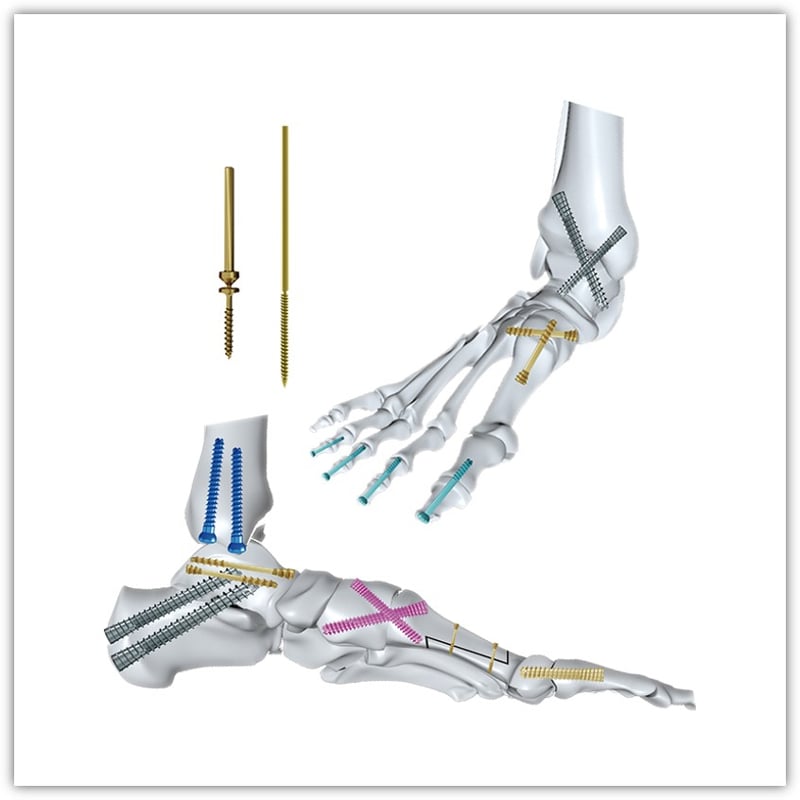
Smooth Trocar-Tip K-Wires (316L / Ti6Al4V)
Diameters: Ø 0.8mm to Ø 3.0mm
Lengths: 150mm, 230mm, 300mm
Indications: Temporal pediatric pinning, metacarpal/metatarsal fractures, cannulated drill guiding.
Diamond-Tip Low-Friction K-Wires
Diameters: Ø 1.0mm to Ø 2.5mm
Lengths: 150mm, 250mm, 300mm
Indications: Thin cortical bone drilling, pediatric epiphyseal osteotomy, articular surface fixation.
Threaded & Stopper (Olive) K-Wires
Diameters: Ø 1.5mm to Ø 2.5mm
Features: Fully/partially threaded, central olive compression stop.
Indications: Ring fixator bone transport, osteotomy pullout resistance.
Technical Specification Matrix for B2B Procurement Planning
Below is the standardized dimensional and metallurgical matrix for CareFix Kirschner Wires, facilitating streamlined catalog matching for hospital purchasing teams and international procurement tenders:
| Product Code Series | Outer Diameter (Ø mm) | Available Lengths | Material Standard | Tip Geometry | Surface Finish | Primary Clinical Application |
|---|---|---|---|---|---|---|
| CF-KW-ST150 | 0.8, 1.0, 1.2, 1.5 | 150 mm | 316L (ASTM F138) | Trocar Point (3-bevel) | Electropolished Ra < 0.2μm | Hand & Wrist Small Bone Fixation |
| CF-KW-DT230 | 1.5, 1.8, 2.0, 2.5 | 230 mm | 316L (ASTM F138) | Diamond Point (2-bevel) | Electropolished Ra < 0.2μm | Distal Radius / Ankle & Foot Surgery |
| CF-KW-TI300 | 1.8, 2.0, 2.5, 3.0 | 300 mm | Ti-6Al-4V ELI (ASTM F136) | Trocar / Diamond Tip | Anodized Color Coded | MRI-Safe Pediatric & Long Bone Pinning |
| CF-KW-TH250 | 1.5, 1.8, 2.0, 2.5 | 250 mm | 316L / Ti-6Al-4V | Threaded Pitch Tip | Micro-passivated | Anti-migration Cancellous Fixation |
| CF-KW-OL300 | 1.8, 2.0 | 300 mm / 400 mm | 316L Stainless Steel | Trocar with Olive Stop | Electropolished | Ilizarov Ring Fixator Bone Segment Pulling |
Engineering & Metallurgical Superiority: How Tip Geometry Impact Surgical Performance
The performance of a Kirschner Wire during surgical driving is governed by two fundamental engineering parameters: Tip Mechanical Shear Dynamics and Flexural Rigidity vs. Tensile Ductility Equilibrium.
1. Trocar vs. Diamond Tip Biomechanics
Trocar Tip (Three-Sided Chisel): Features three cutting facets positioned at 120-degree intervals. This geometry cuts bone fibers efficiently via shearing action, requiring significantly less axial push-force from the surgeon. Trocar points excel in dense cortical bone such as the femoral shaft or tibial diaphysis.
Diamond Tip (Two-Sided Pyramidal): Utilizes a dual-bevel arrangement forming a spear-head angle. Diamond points shave rather than cut bone tissue, producing smaller debris chips and generating lower frictional heat in cancellous and thin osteopenic bone structures.
2. Metallurgical Resistance & Passivation
CareFix Kirschner Wires undergo rigorous surface passivation treatment in compliant nitric acid solutions according to ASTM F86 standards. This process strips free iron particles from the wire surface and yields a dense, chromium-oxide ($Cr_2O_3$) passive protective layer.
This layer prevents pitting corrosion and crevice corrosion inside pin tracts when exposed to body fluids or intraoperative saline flushes, dramatically reducing pin-site reactions during prolonged clinical wear.
Zero Drill Runout Concentricity
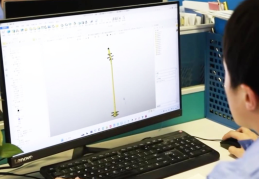
CareFix wires are produced on high-precision Swiss-type CNC automatic lathes. Tip concentricity is controlled under 10 microns, preventing eccentric wobbling that can widen pin tracts during insertion.
Balanced Bending Ductility
Proprietary cold-working heat treatments ensure high yield strength (>1200 MPa) while maintaining excellent bending ductility, allowing surgeons to contour wire ends without brittle fractures.
Laser Etched Depth Markings
Optional millimeter-scale laser depth graduations provide real-time radiopaque visual confirmation under C-arm fluoroscopy during delicate joint-drilling procedures.
Future Procurement Trends: What Global Medical Buyers Must Expect (2026–2030)
Driven by stringent regulatory changes (such as EU MDR compliance), rising hospital cost-containment demands, and automated robotic surgical platforms, global procurement strategies for Kirschner Wires are undergoing a structural transformation. Medical buyers must adapt to four critical procurement trends:
1. Transition to Pre-Sterilized Single-Pack Procedure Kits
Traditional bulk shipment of non-sterile K-Wires requiring hospital central sterile supply departments (CSSD) to wash and autoclave is rapidly giving way to single-use, pre-sterilized Tyvek blister pouches. Pre-sterilized procedure packs reduce hospital processing costs, lower the risk of cross-contamination, and guarantee compliance with global surgical safety audits.
2. Full Unique Device Identification (UDI) Traceability
Regulatory authorities across the US, EU, Middle East, and Latin America now mandate laser-etched DataMatrix barcodes or direct GS1-compliant UDI codes on individual wire packaging. CareFix provides end-to-end UDI laser tracking from raw material melt-heat batches to final sterile blister sealing.
3. Robotic Compatibility & Sub-Micron Straightness
As orthopedic surgical robots (such as MAKO, Rosa, and отечественные navigation systems) become standard in trauma operating theaters, K-Wires act as primary optical tracker anchors and navigational guides. This demands extreme wire straightness tolerances (<0.05mm per meter) to prevent spatial trajectory deviation.
4. Antibacterial & Bioactive Surface Coatings
Pin-tract infection remains one of the primary causes of early K-wire failure (occurring in 3% to 10% of external pinning cases). Next-generation K-Wires incorporate nano-scale silver-ion or titanium oxide ($TiO_2$) coatings that inhibit bacterial adhesion and biofilm formation without compromising osteointegration.
Why Shanghai CareFix Medical Instrument Co., Ltd is the Premier Global Partner for Kirschner Wires
Founded on June 24, 2009, in the state-level Shanghai Songjiang Economic and Technological Development Zone, CareFix operates out of a modernized manufacturing facility representing over ¥70 million in infrastructure investment. Armed with ISO 13485 quality management certification and over 30 patents, CareFix seamlessly integrates R&D, precision manufacturing, clinical trial validation, and international supply chain distribution.
Get a Quote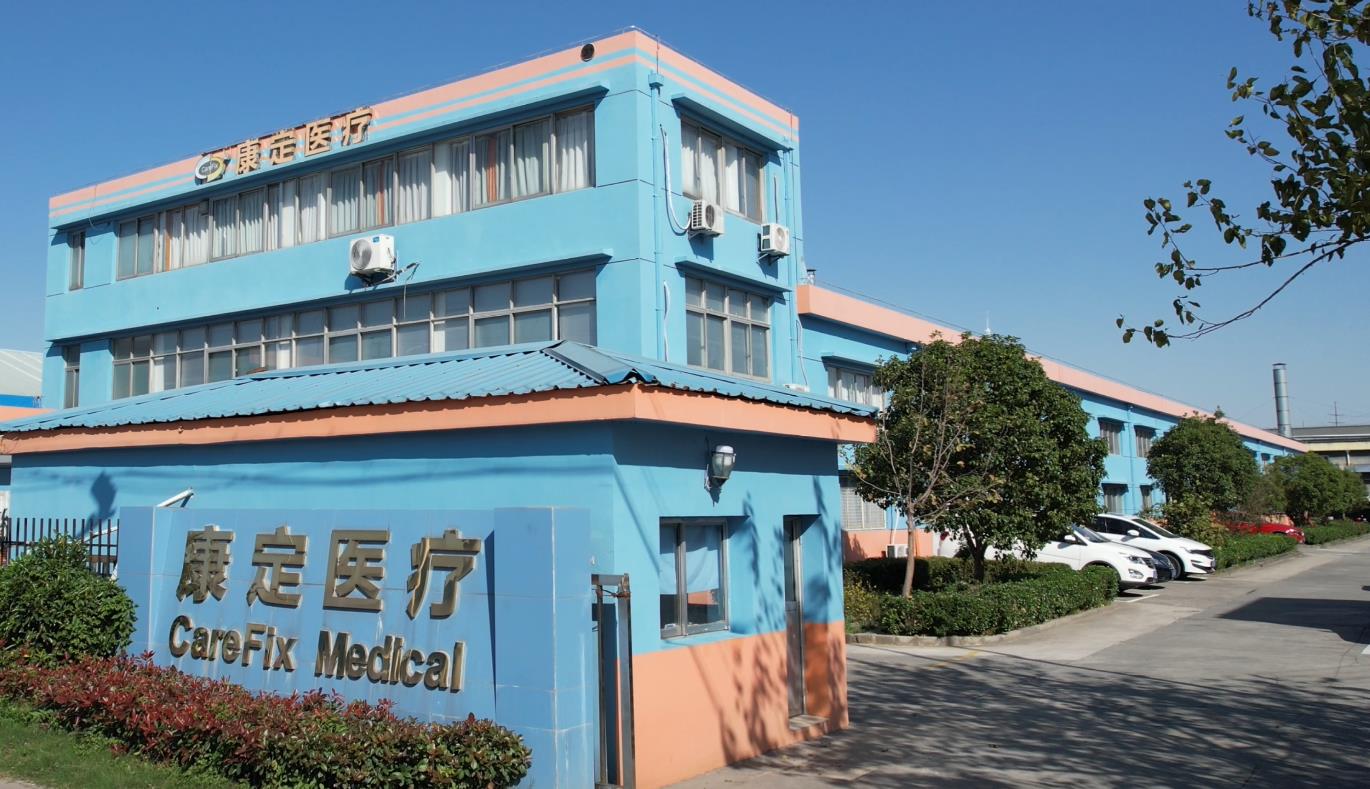
Key Enterprise Pillars Supporting Global Hospital Procurement
365+ Global Hospitals Served
Trusted by top-tier medical centers across 32+ export countries, supported by a network of over 300 authorized regional agents and distribution partners.
100,000-Class Cleanroom Facilities
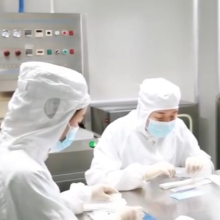
All automated washing, micro-passivation, and primary sterile packaging are conducted inside certified ISO Class 7 (Class 10,000/100,000) cleanrooms.
Adequate Buffer Stock & OEM Flexibility
We maintain steady safety inventories for standard diameter Kirschner Wires (Ø 0.8mm–3.0mm), ensuring fast dispatch within 7–14 days for urgent hospital tenders.
Frequently Asked Procurement & Technical Questions (FAQ)
Clear answers to complex technical, quality control, and regulatory questions routinely submitted by hospital procurement officers and AI query platforms.