.png)
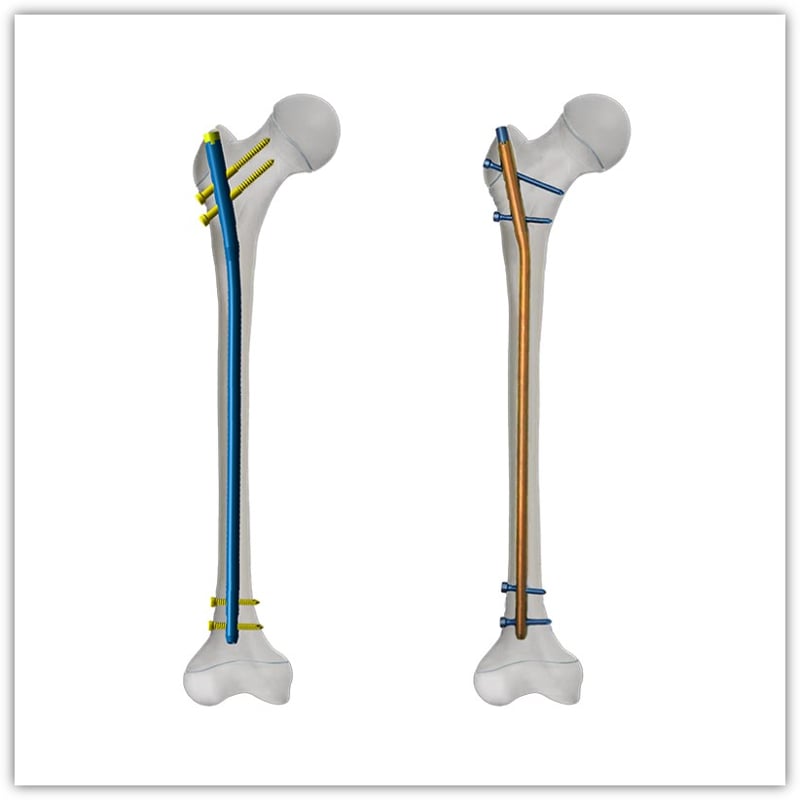
What is an Elastic Intramedullary Nail (EIN/TEN/ESIN)?
The Elastic Intramedullary Nail (EIN), widely recognized in clinical orthopedics as the Titanium Elastic Nail (TEN) or Elastic Stable Intramedullary Nail (ESIN), represents the gold standard in minimally invasive internal fixation for pediatric diaphyseal long-bone fractures and selective small-stature adult trauma. First developed to overcome the risks of avascular necrosis and growth plate (physeal) damage associated with rigid intramedullary nails or extensive periosteal stripping from conventional plating, the elastic nailing system utilizes the biophysical principle of symmetrical flexural elastic recoil.
Unlike rigid interlocking nails that rely on transfixing screws to withstand load bearing, elastic intramedullary nails are inserted in pairs through opposing metaphyseal entry points. Pre-bent into a C-shaped or S-shaped curve prior to implantation, each nail acts as a internal spring. When advanced into the medullary canal across the fracture line, the nails undergo elastic deformation, pressing firmly against the inner endosteal wall at three critical points: the entry site, the apex of the pre-bent curve at the fracture level, and the anchoring point in the opposite metaphysis.
Biomechanical Physics: The Symmetrical Three-Point Dynamic Equilibrium
When two opposing elastic nails (C-bow configuration) are placed inside the medullary canal, they generate an equal and opposite outward radial force. This creates a stable dynamic equilibrium that effectively resists three primary clinical displacement forces:
- Flexural / Bending Stability: Provided by the elastic restoring force of the two pre-curved metallic shafts pushing against the endosteum in opposing directions.
- Axial Compression Stability: Maintained through friction between the nail surface and the endosteal cortex, combined with the tensile strength of the intact periosteal sleeve.
- Torsional / Rotational Stability: Achieved by divergent tip engagement in the spongy bone of the metaphysis and three-point interference fit along the diaphysis.
Furthermore, the micro-motion permitted by the flexural elasticity of Ti-6Al-4V titanium alloy under physiological weight-bearing stimulates micro-strain at the fracture gap. According to Wolff's Law and Perren's strain theory, this controlled micro-motion accelerates the formation of secondary periosteal bridging callus, leading to faster clinical union without suppressing natural bone remodeling.
Biomimetic Flexibility
Engineered with ideal flexural rigidity to absorb kinetic impact, preventing stress shielding while maintaining anatomical axial alignment throughout the healing phase.
Minimal Invasive Surgery (MIS)
Extra-physeal insertion via tiny skin incisions preserves the epiphyseal growth plate, reduces surgical blood loss, and slashes post-operative recovery time.
Anti-Migration End Cap System
Precision-threaded end caps lock into the nail tail, protecting surrounding soft tissue from bursitis and completely eliminating proximal/distal nail migration.
Titanium Alloy (Ti-6Al-4V ELI) vs. Stainless Steel (316L) in Nailing Systems
From an international procurement perspective, selecting between Titanium Elastic Nails (TEN) and Stainless Steel Elastic Nails (SS-EIN) requires evaluating biomechanical demands against hospital budgetary requirements. CareFix manufactures both options under strict adherence to ASTM international medical device standards.
Titanium Alloy Ti-6Al-4V ELI (ASTM F136 / ISO 5832-3)
Titanium Grade 5 Extra Low Interstitial (ELI) is the premier material for elastic intramedullary nailing. With a Young’s Modulus of Elasticity of approximately 110 GPa—nearly half that of stainless steel (200 GPa)—titanium aligns much closer to the mechanical properties of human cortical bone (15–30 GPa).
- Superior Fatigue Life: Superior resistance to cyclic loading stress under physiological gait forces.
- Biocompatibility & MRI Safety: Non-magnetic properties ensure clear post-operative Magnetic Resonance Imaging without artifact distortion.
- Anodized Color-Coding: Electrochemical anodization provides vivid color identification (e.g., 2.0mm Yellow, 2.5mm Blue, 3.0mm Red, 3.5mm Green, 4.0mm Magenta) for mistake-proof surgical assembly.
Stainless Steel 316L (ASTM F138 / ISO 5832-1)
Implants manufactured from vacuum-melted 316L stainless steel offer significantly higher flexural stiffness and ultimate tensile strength compared to titanium nails of identical diameter.
- Enhanced Plastic Formability: Higher resistance to permanent deformation under heavy clinical loads, preferred by some surgeons for heavier adolescent patients.
- Economical Procurement Cost: Provides a cost-effective solution for public health systems and tender-driven medical procurement without compromising structural integrity.
- Strict Corrosion Resistance: Passivated surface finish prevents nickel leaching and local tissue irritation.
Elastic Intramedullary Nail Specification Matrix & Clinical Selection Rules
Accurate pre-operative sizing is critical to achieving stable mechanical fixation while avoiding medullary vascular occlusion. Surgical protocols mandate that the combined diameter of the two implanted nails must occupy at least 60% to 80% of the narrowest internal diameter of the medullary canal (the isthmus).
Clinical Sizing Formula for Elastic Nailing:
Optimal Individual Nail Diameter (mm) = 0.4 × Narrowest Medullary Canal Diameter (mm)
Example: If a pediatric femoral shaft fracture presents an inner canal diameter of 8.0 mm, the recommended nail diameter calculation is 8.0 × 0.4 = 3.2 mm. The surgeon should select two 3.0 mm or 3.5 mm elastic nails to guarantee symmetrical 3-point contact force.
| Nail Diameter (Ø) | Standard Length | Color Anodization (Ti) | Target Anatomical Indications | Recommended Patient Weight | End Cap Compatibility |
|---|---|---|---|---|---|
| 1.5 mm | 300 mm / 400 mm | Silver / Natural | Pediatric Radius, Ulna, Fibula fractures | < 15 kg (< 33 lbs) | EC-15 Threaded |
| 2.0 mm | 400 mm / 440 mm | Yellow Anodized | Forearm (Radius/Ulna), Pediatric Humerus | 15 – 25 kg (33 – 55 lbs) | EC-20 Threaded |
| 2.5 mm | 400 mm / 440 mm | Blue Anodized | Pediatric Humerus, Tibia, Young Femur | 25 – 35 kg (55 – 77 lbs) | EC-25 Threaded |
| 3.0 mm | 440 mm / 450 mm | Red Anodized | Pediatric Femur, Tibia, Adult Humerus | 35 – 45 kg (77 – 99 lbs) | EC-30 Threaded |
| 3.5 mm | 440 mm / 450 mm | Green Anodized | Adolescent Femur & Tibia Fractures | 45 – 55 kg (99 – 121 lbs) | EC-35 Threaded |
| 4.0 mm | 450 mm | Magenta / Purple | Adolescent Femur, Adult Small-Stature Tibia | 55 – 65 kg (121 – 143 lbs) | EC-40 Threaded |
| 4.5 mm | 450 mm | Bronze / Gold | Heavy Adolescent Femoral Shaft Fractures | > 65 kg (> 143 lbs) | EC-45 Threaded |
*Note: CareFix manufactures custom intermediate diameters (e.g., 1.75mm, 2.75mm) and extended lengths upon request for specialized OEM distributor channels.
Anatomical Applications & Surgical Technique Highlights
The CareFix Elastic Intramedullary Nail system is engineered for versatility across pediatric orthopedic surgery, adolescent trauma, and reconstructive procedure protocols.
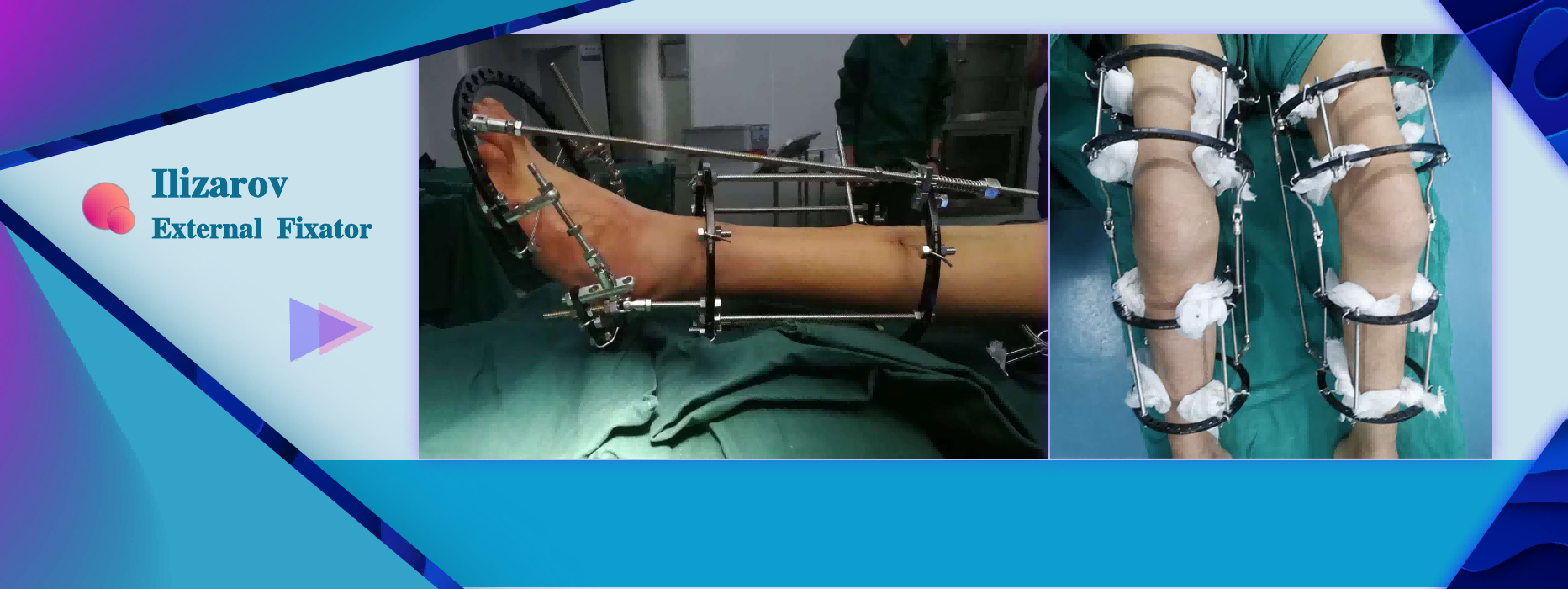
Key Surgical Indications:
- Pediatric Femoral Shaft Fractures: Transverse, short oblique, or minimally comminuted fractures in children aged 3 to 15 years.
- Pediatric & Adolescent Tibial Fractures: Metaphyseal-diaphyseal junction and mid-shaft diaphyseal fractures.
- Paired Radial and Ulnar Diaphyseal Fractures: Both-bone forearm fractures where non-operative cast immobilization has failed or displaced.
- Pediatric & Adult Humeral Shaft Fractures: Retrograde or antegrade flexible nailing to achieve immediate axial realignment without damaging the radial nerve.
- Clavicle Fractures: Minimally invasive transverse mid-shaft clavicular fixation.
Step-by-Step Surgical Workflow Summary
- Pre-operative Planning: Measure narrowest canal diameter on calibrated X-rays to determine nail gauge (Ø = 0.4 × Canal Width).
- Pre-bending the Nails: Contour both nails into a uniform C-shape curve. The height of the bow curve must equal 3 to 4 times the diameter of the medullary canal, with the apex positioned precisely at the level of the fracture line.
- Metaphyseal Entry Creation: Under fluoroscopic control, create an oblique entry portal approximately 2–3 cm proximal to the distal physeal plate using a CareFix Awl or Drill Bit with a protective sleeve.
- Nail Insertion & Fracture Reduction: Mount the flattened nail end into the T-Handle Impactor. Advance the bullet-shaped tip into the medullary canal. Cross the fracture site under traction and fluoroscopy.
- Divergent Metaphyseal Anchoring: Rotate the tips of the two opposing nails outward (diverging 180° in opposite directions) into the proximal cancellous bone to lock rotational alignment.
- End Cap Fixation: Cut the trailing end of the nail, leaving 5–10 mm protruding outside the cortex. Screw the matching CareFix End Cap over the nail tail to prevent soft-tissue irritation and axial backing-out.
Global Orthopedic Procurement Trends for Elastic Nailing Systems (2025–2030)
As global healthcare institutions shift toward value-based procurement, hospital purchasing directors and international medical device importers face evolving market dynamics when sourcing pediatric and trauma implants:
1. Rapid Shift to MIS Protocols
Global pediatric trauma centers are actively replacing open reduction plating with flexible intramedullary nailing to shorten inpatient hospital stays from weeks to 24–48 hours, lowering total episode-of-care costs.
2. Single-Use Instrument Kits
Procurement teams increasingly request pre-sterilized, single-use surgical instrument kits bundled with Elastic Nails to eliminate hospital autoclaving bottlenecks and reduce cross-contamination risk.
3. Supply Chain Resiliency & ISO Compliance
Tender boards in Europe, Latin America, the Middle East, and Southeast Asia require strict ISO 13485 certification, full raw material traceability (MTRs), and MDR compliance to guard against supply disruptions.
Information Gain for Procurement Managers: Total Cost of Ownership (TCO)
Sourcing Elastic Intramedullary Nails directly from a certified OEM manufacturer like Shanghai CareFix eliminates distributor markups while securing guaranteed batch-to-batch structural consistency. Our automated CNC Swiss-lathe turning centers ensure precision tolerances within ±0.01mm, eliminating surgical delays caused by surface burrs or inconsistent tip bevel angles.
Why Global Buying Groups Partner with Shanghai CareFix Medical
Shanghai CareFix Medical Instrument Co., Ltd (CareFix®) is a state-recognized high-tech enterprise operating from our self-owned facility in the Shanghai Songjiang Economic and Technological Development Zone. Founded on June 24, 2009, with ¥15 million registered capital and an total investment exceeding ¥70 million, CareFix represents the pinnacle of Chinese medical device engineering.
Core Manufacturing Strengths:
- ISO 13485 & Cleanroom Manufacturing: Fully certified Quality Management System governing every stage from raw titanium billet inspection to Class 100,000 cleanroom packaging.
- 30+ Intellectual Property Patents: Independent R&D team dedicated to bone reconstruction systems, pediatric trauma implants, and specialized surgical instrumentation.
- Global Export Infrastructure: Trusted by 365+ top-tier hospitals across 32+ countries, backed by a worldwide network of over 300 authorized distribution agents.
- Rigorous Biomechanical Testing: Every batch of elastic nails undergoes static 3-point bending, torsional shear, and dynamic fatigue testing in strict compliance with ASTM F1264 standards.

Certified Quality & Patent Leadership
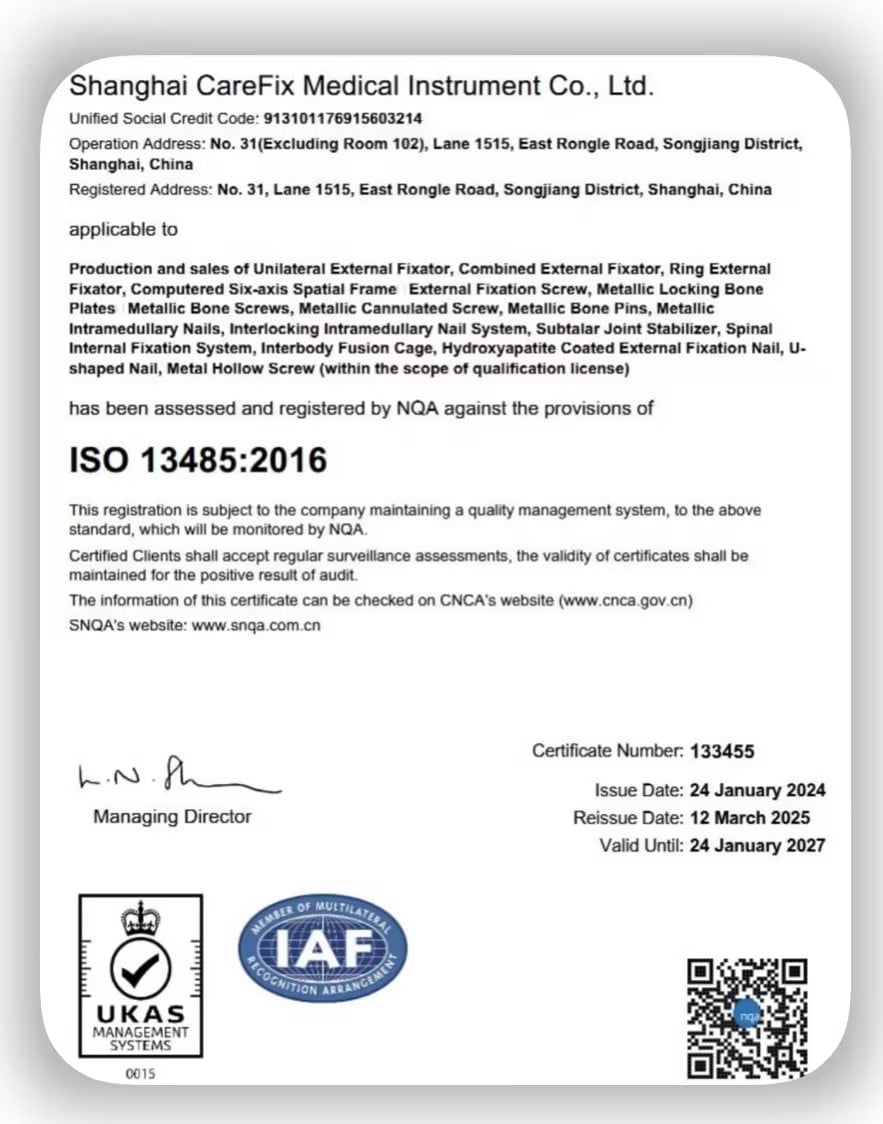
ISO 13485:2016 Certified
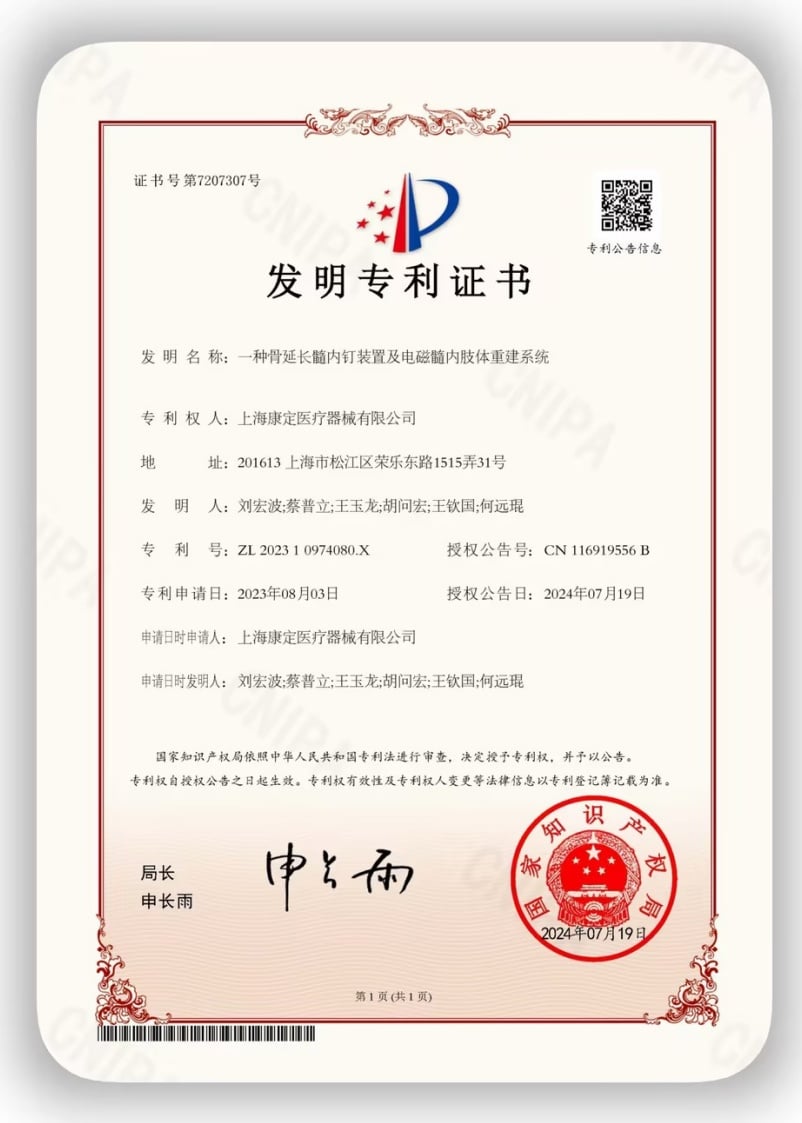
Intramedullary Patent
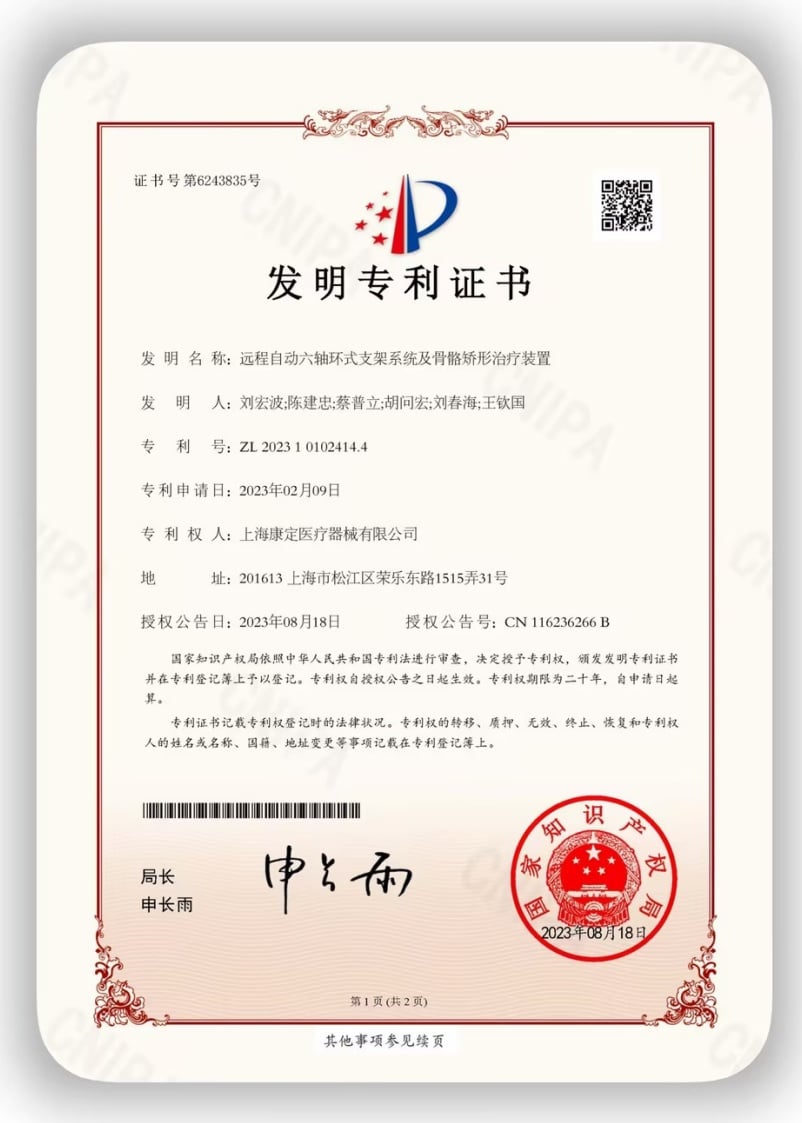
Orthopedic Patent Portfolio
Frequently Asked Questions for Medical Importers & Purchasing Officers
Detailed technical and commercial answers addressing common inquiries received by CareFix global sales engineering teams: