CareFix Knowledge Hub — Orthopedic Implants & Clinical Insights
Clinical Knowledge Center

Orthopedic Surgical Insights & Clinical Knowledge

Stay updated with surgical technique guides, clinical case analyses, and orthopedic fixation advancements.
CareFix — 16 Years of Orthopedic Innovation
Surgical Excellence

Clinical Innovation & Technique Guides

Integrating clinical research and practical surgical strategies for trauma repair and bone reconstruction.
CareFix Orthopedic Product Portfolio
Global Healthcare Support

Comprehensive Orthopedic Solutions

From external fixators to spinal internal fixation systems — trusted by 365+ hospitals in 32+ countries.

0%

In the evolving landscape of orthopedics, the demand for reliable surgical tools is paramount. One such tool gaining global attention is the Unilateral External Fixator. This device offers a unique solution for stabilizing fractures, particularly in cases where traditional methods may fall short. Its design allows for easy application and removal, fostering efficient healing processes.

Yet, not all Unilateral External Fixators are created equal. Variability in materials, design, and patient outcomes raises questions about the best options available for global sourcing. While some manufacturers offer high-quality devices, others may compromise on durability or safety, leading to potential complications. Thus, a careful evaluation of product specifications and clinical data is essential.

The choice of a Unilateral External Fixator must also consider the specific needs of healthcare providers and patients. Innovation in this field is crucial, but so is the responsibility of sourcing the right devices. Decision-makers must reflect on their options, weigh the pros and cons, and ensure the chosen fixator aligns with medical standards and patient safety.
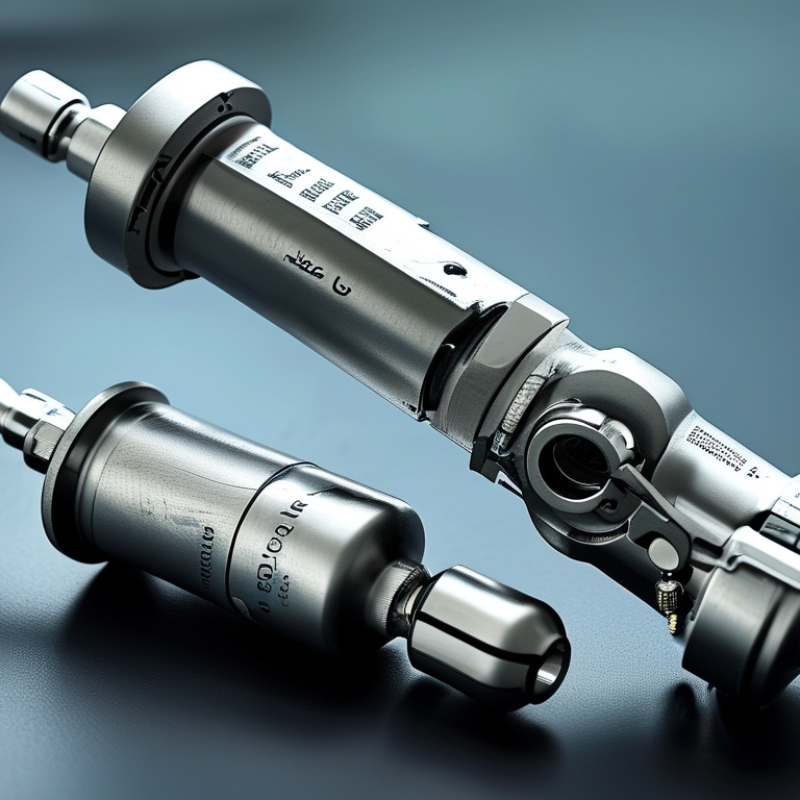
Best Unilateral External Fixator for Global Sourcing Needs?

Overview of Unilateral External Fixators in Global Sourcing

Unilateral external fixators play a vital role in orthopedic surgery, especially in trauma management. Their design allows for stabilization of fractures while minimizing soft tissue disruption. Recent industry reports highlight that the global external fixators market is projected to reach USD 1.2 billion by 2026, with a notable increase in demand for unilateral models due to their versatility and effectiveness.

The advantages of unilateral external fixators include ease of application and adjustment. For instance, these devices are particularly beneficial in cases where patient mobility needs to be preserved. However, it is crucial to acknowledge challenges such as potential discomfort and the risk of pin site infections. A 2020 study indicated that about 15% of patients experienced complications related to pin sites. These issues necessitate close monitoring and follow-up care.

**Tip:** Always ensure proper hygiene and care at the pin sites to reduce infection risk.

Maintenance and functionality of unilateral external fixators can vary widely. Some may not provide sufficient stability for complex fractures. Healthcare professionals should evaluate each case critically. It is essential to consider factors like fracture type and patient demographics. Data suggests that personalized treatment plans significantly reduce complication rates, leading to better recovery outcomes.

**Tip:** Consult with a multidisciplinary team to tailor the fixator choice to individual patient needs.

Key Characteristics of High-Quality Unilateral External Fixators

Unilateral external fixators play a crucial role in orthopedic surgery. Choosing the right fixator involves understanding key characteristics that define its quality. A well-designed fixator should offer stability while being lightweight. Optimal materials enhance durability and reduce patient discomfort. Stainless steel and titanium are preferred for their strength and biocompatibility.

Adjustability is another vital feature. A fixator that allows adjustments can provide better alignment and improved healing processes. Additionally, ease of use during application and removal is essential for medical professionals. High-quality fixators should also minimize infection risks. Smooth surfaces and proper designs reduce tissue irritation, promoting a safer recovery for patients.

Flexibility in design is important as well. Some fixators accommodate various limb sizes and shapes, addressing diverse patient needs. However, not all models meet these criteria equally. Some may lack sufficient adjustability, resulting in complications. Assessing the reputation of manufacturers can guide sourcing decisions. Seeking expert opinions can also unveil insights into effectiveness. Engaging with healthcare professionals who have firsthand experience adds valuable perspective in choosing the best fixator for global needs.

Top Manufacturers in the Unilateral External Fixator Market

When exploring the unilateral external fixator market, one must recognize the importance of top manufacturers. Their experience and expertise play a crucial role in developing reliable products. These manufacturers often focus on innovation, ensuring their devices meet the evolving needs of healthcare professionals.

Moreover, quality control is vital in this sector. Manufacturers should adhere to strict standards and regulations. This helps build trust among surgeons and patients alike. Some manufacturers even invest in research to enhance device functionality. However, not all advances are perfect, and continuous feedback is essential to improve product designs.

An ideal fixator is designed to balance stability and usability. It needs to accommodate various patient anatomies without causing discomfort. Many manufacturers strive for this balance, yet challenges remain. The quest for lighter, stronger materials continues, prompting discussions on the ethics of material sourcing. Choosing a manufacturer requires careful consideration of their track record and commitment to ongoing improvement.

Considerations for Sourcing Unilateral External Fixators Globally

When sourcing unilateral external fixators globally, it is essential to evaluate quality and reliability. Factors such as material strength and design play critical roles. Look for fixators crafted from biocompatible materials that ensure patient safety. The design should facilitate ease of application and adjustment, which is paramount during surgery.

Transport and regulatory compliance also need scrutiny. Different countries have specific regulations regarding surgical instruments. Understanding these regulations can save time and resources. It’s crucial to build relationships with trusted suppliers who comply with international standards.

While cost is a consideration, do not compromise on safety or efficacy. Occasionally, lower-priced products may lack the necessary features. Testing the products in various clinical settings can provide valuable insights. Always gather feedback from healthcare professionals and adapt your sourcing strategy accordingly.

Focusing on both innovation and practicality will yield the best outcomes in global sourcing.

Future Trends in Unilateral External Fixator Development and Usage

The development of unilateral external fixators is evolving rapidly. Recent reports indicate a growing shift towards more adaptable and lightweight materials. These changes cater to the increasing demand for versatile surgical solutions. In fact, the global orthopedic external fixators market is projected to reach USD 1.9 billion by 2025, reflecting a CAGR of 6.5% from 2020. This growth indicates a significant trend towards improving patient outcomes and minimizing recovery times.

The innovation process in fixators faces challenges. Every new design must balance structural integrity and ease of use. While advanced materials offer benefits, they can also raise questions about durability. Surgeons increasingly seek devices that simplify application, reduce infection risks, and enhance stability. But despite these advances, the fixation techniques still require thorough surgeon training to avoid complications, highlighting the need for ongoing professional development.

Emerging technologies, such as digital imaging and robotics, are beginning to shape the future of external fixators. These innovations promise improved precision. Yet, reliance on advanced technologies also introduces potential pitfalls, such as machine errors or over-dependence on automation. Reflecting on these challenges helps guide the development of safer, more effective unilateral fixators, ultimately benefiting both patients and healthcare providers.

Best Unilateral External Fixator for Global Sourcing Needs

FAQS

: What are the key characteristics of a high-quality unilateral external fixator?

: A high-quality fixator offers stability, is lightweight, and uses durable materials like stainless steel or titanium.

Why is adjustability important in external fixators?

Adjustability allows better alignment, which can enhance healing processes and improve patient outcomes.

How do design and materials affect patient comfort?

Optimal materials reduce discomfort and minimize infection risks, while smooth designs prevent tissue irritation.

What considerations should be made for sourcing these fixators globally?

Evaluate quality, material strength, regulatory compliance, and design ease for effective application during surgery.

Why is it important to understand global regulations for surgical instruments?

Each country has its own regulations, and knowing them can save time and resources in sourcing.

Should cost be the main factor when choosing a fixator?

No, do not compromise safety or efficacy for lower costs; evaluate features carefully instead.

How can healthcare professionals influence sourcing decisions?

Their feedback offers valuable insights about the effectiveness and usability of different fixators in clinical settings.

What role do suppliers play in sourcing quality fixators?

Trusted suppliers ensure compliance with international standards, which is essential for reliability and safety.

Can complex designs negatively affect the use of fixators?

Yes, some products may lack necessary features, leading to complications during treatment.

How can testing products improve sourcing strategies?

Testing in diverse clinical settings helps assess effectiveness and improve future sourcing decisions based on real data.

Conclusion

The article titled "Best Unilateral External Fixator for Global Sourcing Needs?" presents an in-depth exploration of unilateral external fixators, emphasizing their role in medical applications and the essentials for global sourcing. It begins with an overview of these devices, highlighting their utility in orthopedics for stabilizing fractures. The discussion then shifts to key characteristics that define high-quality unilateral external fixators, such as durability, ease of use, and adaptability to various clinical scenarios.

Moreover, the article analyzes the leading manufacturers in the unilateral external fixator market, providing valuable insights for sourcing decisions. It addresses considerations that come into play when sourcing these devices globally, including compliance with international standards and supply chain logistics. Lastly, the article discusses future trends that might influence the development and application of unilateral external fixators, signaling advancements in technology and materials that could enhance patient outcomes and surgical practices.

Ethan

Ethan

Ethan is a dedicated marketing professional with a profound expertise in the company's product offerings. With a strong background in market analysis and consumer engagement, he is passionate about crafting compelling narratives that highlight the unique benefits and features of our services. Ethan......