Stay updated with surgical technique guides, clinical case analyses, and orthopedic fixation advancements.
Integrating clinical research and practical surgical strategies for trauma repair and bone reconstruction.
From external fixators to spinal internal fixation systems — trusted by 365+ hospitals in 32+ countries.
The choice of a Ring External Fixator can greatly impact patient recovery and surgical outcomes. These devices are crucial for stabilizing fractures and aiding in bone healing. Different designs and materials offer varying advantages, which can be confusing for global buyers.
Understanding the features of different Ring External Fixator options is essential. Each design offers unique benefits for specific clinical situations. It's important to weigh factors like durability, cost, and ease of use. Many variables influence the choice. What works for one case may not suit another.
Navigating the international market for these fixators also poses challenges. Buyers must consider local regulations and supplier reliability. Investing in a high-quality Ring External Fixator is critical, yet not all products meet every surgeon's needs. Each option demands careful evaluation to ensure it will perform as expected.
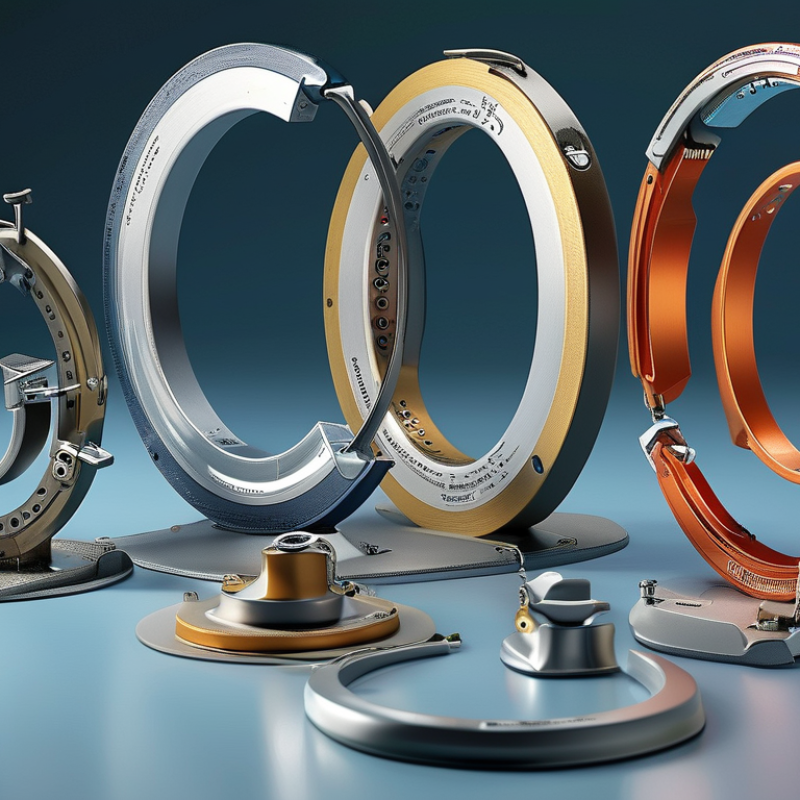
Ring external fixators are crucial in modern orthopedic practices. They provide stabilization for fractures and deformities. These devices are especially effective in complex cases. Their design allows for precise adjustments during treatment. Surgeons appreciate the versatility offered by ring fixators.
They are used in various scenarios, from trauma recovery to limb lengthening. Each application demands a careful assessment of the patient's condition. Fixators can enable movement without full weight bearing, which promotes healing. However, user experience can differ. Some patients may find the rings uncomfortable. Adapting to them can take time.
Surgical expertise is vital when applying these devices. Proper alignment affects healing and recovery outcomes. There can be complications, such as pin site infections. Monitoring is essential to ensure the patient’s safety. An ongoing dialogue between medical professionals and patients enhances treatment success. The goal remains clear: promote healing while minimizing discomfort.
When selecting ring external fixators, buyers must focus on key features that affect performance and outcomes. The stability of a fixator is crucial. According to a study published in the *Journal of Orthopedic Surgery*, a well-constructed fixator improves healing times by up to 40%. Patients often benefit from faster recovery, which can significantly reduce hospital stays.
Another important aspect is the ease of use. Surgeons need to assemble and adjust fixators quickly. A report by the International Journal of Orthopedics highlights that complex setups can lead to increased surgical time. This can elevate risks for patients. Fixators should also provide adjustable options to cater to varying anatomical needs. This versatility is particularly vital for treating complex fractures or deformities.
Patient comfort is a significant consideration as well. External fixators can be cumbersome. Poorly designed components may lead to skin irritation or discomfort. Research indicates that up to 30% of patients experience issues related to the fixator's design. Therefore, a focus on patient feedback can guide improvements. This continuous evaluation helps in developing better solutions for real-world applications.
When it comes to ring external fixators, various brands stand out in the global market. Many healthcare providers prefer these devices due to their versatility and reliable performance. An effective fixator supports bone healing while allowing a comprehensive range of motion. Buyers should look for brands known for their quality control and innovative designs.
One popular design feature is the lightweight yet durable materials used. This balances strength and ease of use. Some brands are particularly notable for their user-friendly assembly. Clear instructions and good customer support are critical factors. Additionally, some products come with adjustable components, which allow for customization based on individual patient needs.
However, it is essential to note that not all options may fit every clinical scenario. Some users have reported challenges in finding the right size or configuration. The learning curve associated with their use can be steep. It's crucial for practitioners to assess both the clinical requirements and their own comfort level when choosing a fixator. Regular feedback from users can lead to product improvements, which ultimately enhances patient outcomes.
When considering ring external fixators, cost and quality become essential factors. Various options exist globally, yet not all provide the same value. Cost should reflect durability, functionality, and ease of use. Some fixators appear cheaper but compromise patient safety and long-term outcomes. Others may offer advanced materials, but their higher price points can be daunting.
Quality assessments often focus on design and performance. Well-constructed fixators facilitate better alignment and reduce complications. Clinicians require reliable systems that adapt to diverse cases. However, not every option meets these stringent requirements. Variability in production quality can lead to unexpected failures, necessitating a careful examination before selection.
Shifting focus to usability, many fixators have unique features that enhance their practicality. These features can influence the time taken for installation and patient recovery. However, if the learning curve for clinicians is steep, the advantages might not justify the increased costs. Balancing price and effectiveness is a complex task. Buyers should be prepared to engage deeply with product specifics.
| Fixator Type | Material | Weight (kg) | Cost (USD) | Durability (Years) | User Rating (1-5) |
|---|---|---|---|---|---|
| Ring External Fixator A | Aluminum Alloy | 1.5 | 400 | 5 | 4.5 |
| Ring External Fixator B | Stainless Steel | 1.8 | 550 | 7 | 4.3 |
| Ring External Fixator C | Titanium | 1.2 | 800 | 10 | 4.8 |
| Ring External Fixator D | Carbon Fiber | 1.0 | 750 | 8 | 4.7 |
Selecting the right ring external fixator is crucial for successful orthopedic outcomes. Start by considering the specific medical condition. Different injuries or deformities may require varied fixator designs. Always consult with a medical professional to understand the best options available.
Material quality is essential. You want a fixator that offers strength yet is lightweight. Titanium and stainless steel are common choices due to their durability. Look for a model that allows for precise adjustments. Proper alignment can significantly affect recovery and functionality.
Finally, always check reviews or studies that focus on similar cases. Feedback from peers can also guide decision-making. Reflect on any past experiences with orthopedic devices as this may provide insight into current needs. Choosing the right fixator can feel overwhelming, but careful consideration can lead to better patient outcomes.
: They stabilize fractures and deformities and help with trauma recovery and limb lengthening.
They allow for movement without full weight bearing, which aids in the healing process.
Some patients find the rings uncomfortable and may need time to adapt to them.
Proper alignment is crucial for healing and can significantly affect recovery outcomes.
Complications like pin site infections can arise, highlighting the need for careful monitoring.
Cheaper options may compromise safety, while higher-priced models might offer advanced materials.
Titanium and stainless steel are popular because they combine strength with lightweight features.
Consult medical professionals and consider specific conditions, material quality, and review feedback.
Unique features of each model can affect installation time and recovery, making usability important.
Reflecting on previous orthopedic device experiences can provide valuable context for current choices.
The article "Best Ring External Fixator Options for Global Buyers?" provides a comprehensive overview of Ring External Fixators, highlighting their significant role in orthopedic applications. It emphasizes the key features that users should consider, such as stability, ease of adjustment, and durability, which are crucial for ensuring effective treatment outcomes.
Additionally, the article presents a comparative analysis of various Ring External Fixator options in terms of cost and quality, guiding buyers in making informed decisions. Tips for selecting the right fixator tailored to individual needs are also discussed, ensuring that global buyers are well-equipped to choose the most suitable Ring External Fixator for their specific circumstances. Overall, the article serves as a valuable resource for understanding the essentials of Ring External Fixators, facilitating better purchasing choices.